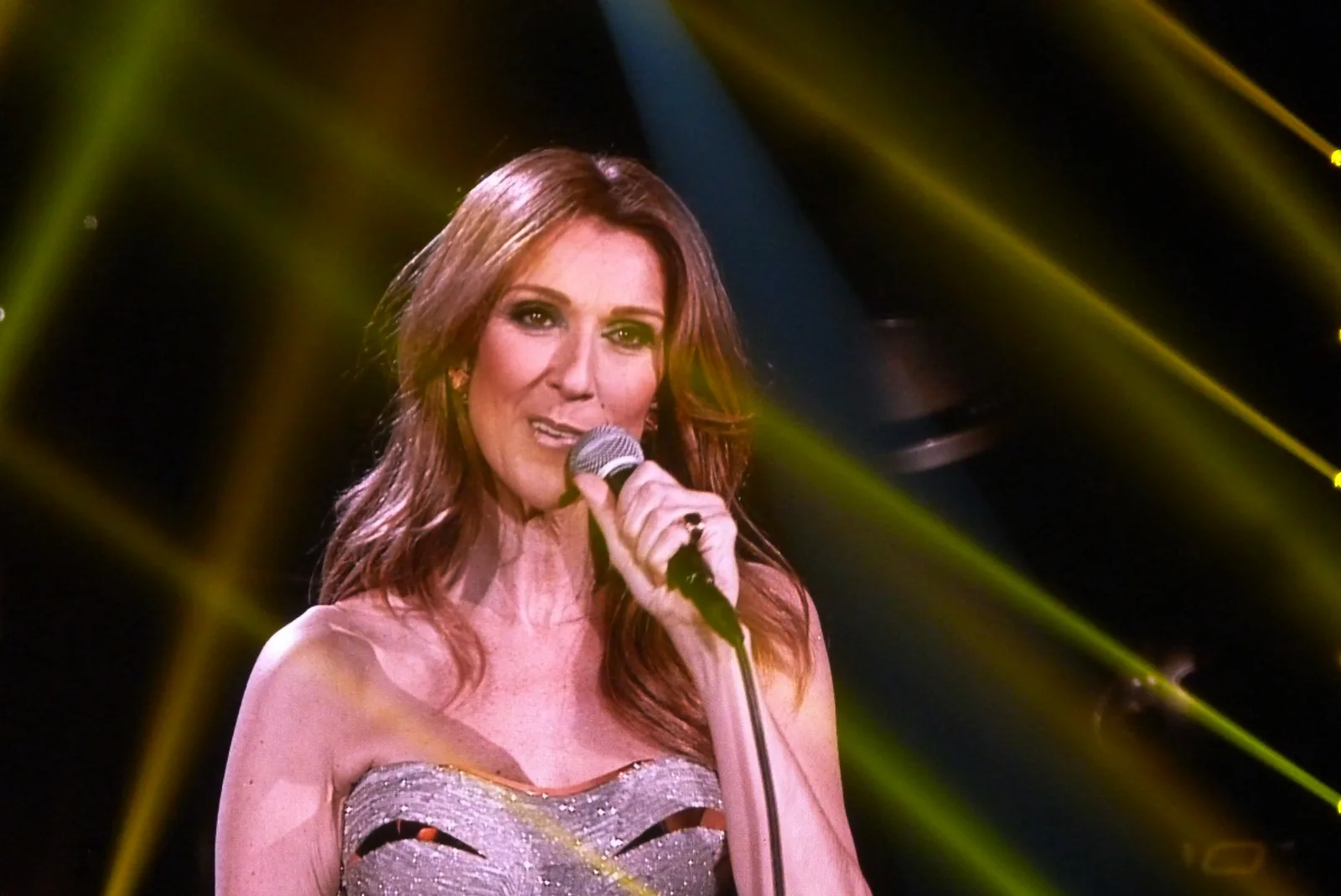
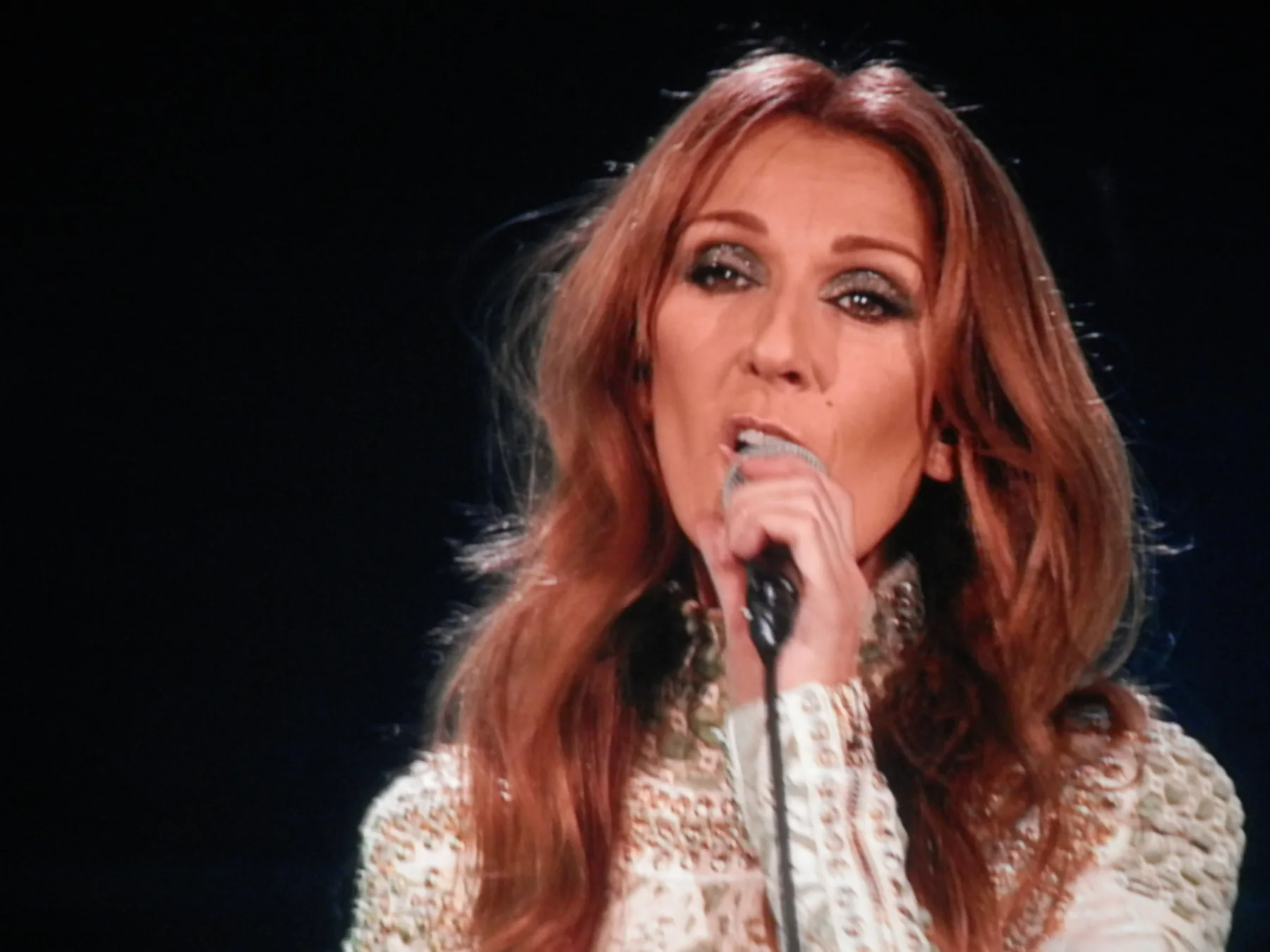

Céline Dion singing on stage at Paris-Bercy in 2013

Céline Dion’s voice, three perspectives

Voice Clinic · Our medical and artistic team

Our medical and artistic team answers the questions raised by Céline Dion’s return to the stage: what medicine knows about stiff person syndrome, what the disease demands of singing, and what medicine still does not know.

Opening photo: Céline Dion on stage at Paris-Bercy, 25 November 2013. Photo: RepliCarter, CC BY-SA 3.0, via Wikimedia Commons.

THREE PERSPECTIVES

“I have learned to live with this fragility”

On 12 September 2026, six years after her last concert, Céline Dion returned to the stage in Paris. That evening, she told her audience: “I have learned to live with this fragility. Living with it day after day, I have tamed it. And I have decided to make it my strength to live.”[1]

Adeline Toniutti, vocal coach and former opera singer, listened to these concerts with a singer’s ear. She put her questions to Dr Marie Mailly, ENT and voice specialist, and to Estelle Moltenis, physiotherapist. Their answers are reproduced here as they were given, together with the scientific studies they draw on.

Key points

  • Stiff person syndrome is an autoimmune disease of the central nervous system. The chemical “brake” that stops two opposing muscles from contracting at the same time works poorly, and the body stiffens[2,3].
  • The vocal folds are not the target. According to Dr Marie Mailly, an examination of the larynx would probably be normal. The voice is hampered by stiffness of the muscles of the mouth and pharynx and, in severe forms, by spasms of the respiratory muscles[4,5].
  • Dr Mailly’s ranking: stiff person syndrome “far ahead”, then the menopause, and “far behind” presbyphonia, which she considers “almost non-existent” in a 58-year-old singer who works on her voice every day.
  • The high notes are still there. Adeline Toniutti heard the F from All by Myself in another song in the show. What takes its toll is holding the note, not reaching it: the transposition is a choice made to save energy.
  • None of the contributors examined Céline Dion. Their answers are based on what the public saw and heard, and on the scientific literature cited at the end of the article.

THE VOICES IN THIS ARTICLE

Three views of the same voice

Adeline Toniutti, Voice Expert, Vocal Coach, Founder of CALYP, Singer

Voice Expert, Vocal Coach, Founder of CALYP, Singer

Adeline Toniutti

Adeline Toniutti took up classical singing at 15 and sang opera for ten years. An accident burned her airways and seriously injured her vocal folds. She recovered her voice after long years of rehabilitation, and drew from it a technique of great precision.

Founder of CALYP, singing teacher on Star Academy in 2022 and 2023 and a guest coach at the Paris Opera, she is the author of Anatomie du Chant, a method reviewed by 26 specialists of the voice and the body, and of La Bonne Voix. In September 2026, franceinfo asked her how Céline Dion had adapted her songs in Paris.
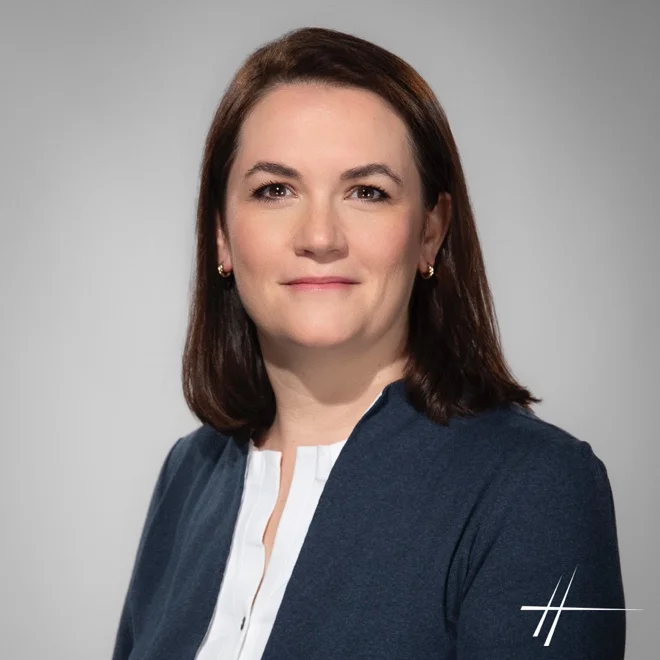
Dr Marie Mailly, ENT, voice and botulinum toxin specialist, Paris

ENT, voice and botulinum toxin specialist, Paris

Dr Marie Mailly

A doctor of medicine since 2011, Dr Marie Mailly specialises in otorhinolaryngology and head and neck surgery. She set up her practice in the 7th arrondissement of Paris in 2021, and in 2023 joined the laryngology team at the Foch Hospital in Suresnes.

Since 2023, she has worked with the Paris Conservatoire (CNSMDP) and the Paris Opera on preventing voice disorders in opera singers. She performs botulinum toxin injections into the larynx.

Estelle Moltenis, licensed physiotherapist

licensed physiotherapist

Estelle Moltenis

A state-registered physiotherapist who qualified in 2000 (IFMK, Amiens), Estelle Moltenis is also a musician, holding the diplôme d’études musicales from the Belfort Conservatoire. A sports physiotherapist with a qualification in structural manual therapy, she works with elite athletes in professional football and on the ATP tour.

At CALYP, she supports singers in their physical preparation, posture and recovery.

PARIS, SEPTEMBER 2026

Six years on, the return to the stage

In December 2022, Céline Dion announced that she had stiff person syndrome. The spasms, she explained at the time, were preventing her from using her vocal cords to sing the way she was used to[6]. She cancelled her tour. In July 2024, she sang Édith Piaf’s Hymne à l’amour from the Eiffel Tower, closing the opening ceremony of the Paris Olympic Games.

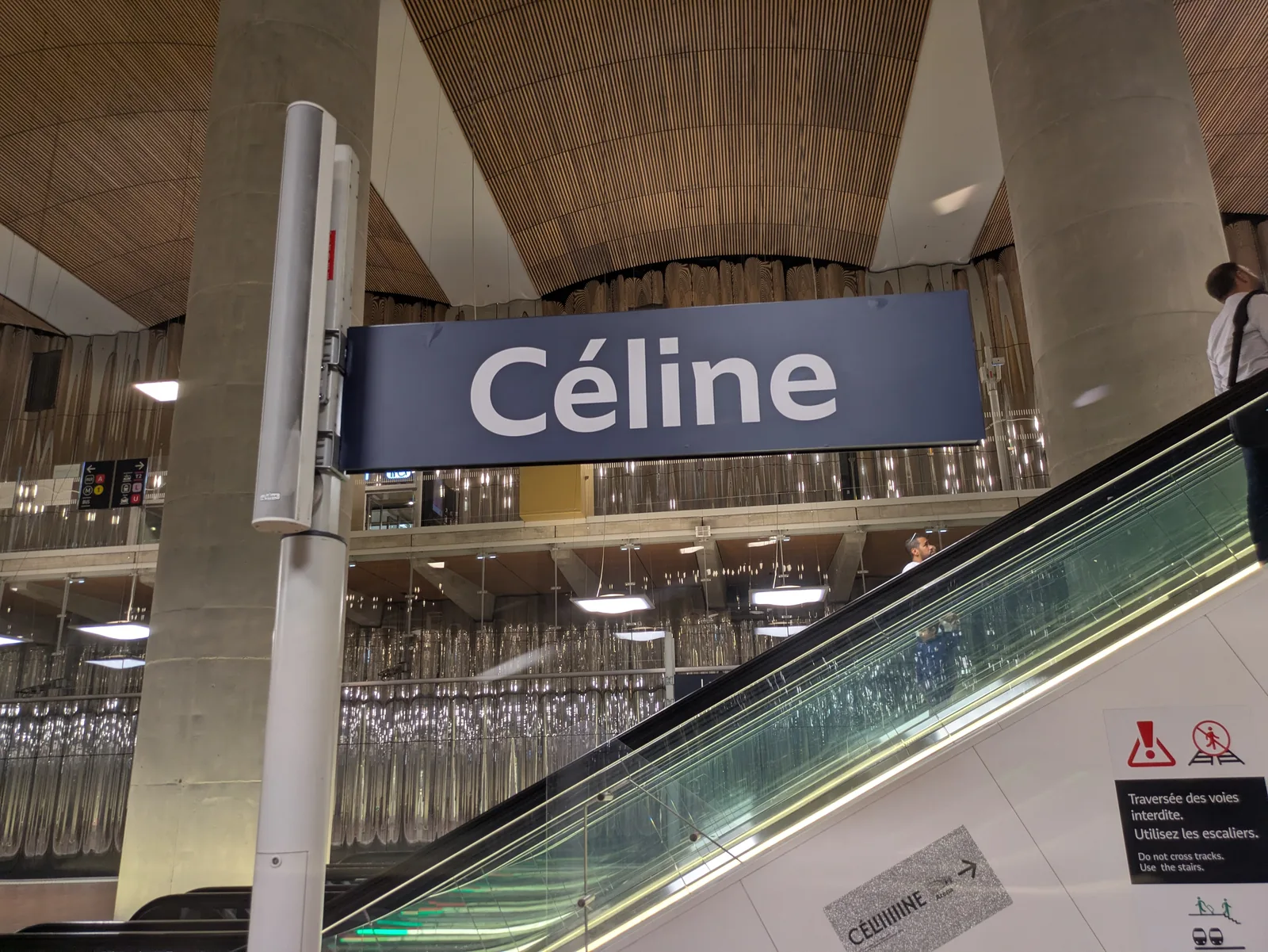
The concert on 12 September, at the Plenitude Arena in Nanterre, formerly Paris La Défense Arena, opened a run of sixteen concerts until 17 October, to be followed by ten more in May 2027[7]. The first night lasted 2 hours 15 minutes, with 29 songs[8]. For five weeks, the RER E station at La Défense bears her first name.

Façade of the Plenitude Arena in Nanterre, with its new sign, July 2026
The Plenitude Arena, formerly Paris La Défense Arena, in Nanterre, in July 2026.Photo: Solts, CC BY-SA 4.0, via Wikimedia Commons.
A “Céline” sign in place of the station name at the La Défense RER E station, September 2026
The RER E station at La Défense, its signs reading “Céline”, on 15 September 2026.Photo: Idris2000, CC BY-SA 4.0, via Wikimedia Commons.
Céline Dion singing on stage in Paris in 2013
Céline Dion in concert in Paris on 25 November 2013, during her European tour (archive photo).Photo: Yoyo76300, CC BY-SA 3.0, via Wikimedia Commons.

Adeline Toniutti listened to the best-known songs and identified their transposition by ear, that is, the interval between the original key and the key sung in Paris. Her findings were published by franceinfo[8].

“All by Myself, [Céline Dion] sang it a major third lower, that is, two whole tones lower. That is quite a significant change of tessitura. I think she still has the F, but to let her save herself, they lowered the key, especially since it comes at the end of the show.”

Adeline Toniutti · on Céline Dion's return to the stage, in franceinfo (French press), 16 September 2026
SongInterval heardIn tones
All by Myselfa major third lower; the high F becomes a C sharptwo whole tones
The Power of Lovea minor third lowera tone and a half
My Heart Will Go Ona tone lowerone whole tone

Adeline Toniutti’s findings, published by franceinfo on 16 September 2026.

“It may surprise people, but if I had been her vocal coach, I would have told her to do the same thing, it is an intelligent choice, even if she has not always been used to singing that low.”

Adeline Toniutti · on Céline Dion's return to the stage, in franceinfo (French press), 16 September 2026

WHAT THE EAR HEARS

What has changed in the voice

Adeline Toniutti

Adeline Toniutti

People say her voice has changed. What I hear is a slightly deeper timbre, and above all keys that have been lowered considerably.

What do you hear, as an ENT, in this change of voice? What do you clearly perceive?

Dr Marie Mailly

Dr Marie Mailly

I perceive a voice that has evolved, and that is entirely normal given that she has aged, that she has her neurological disease and that she is probably on treatment. You can sense that her voice is more fragile. She must find the high notes less easy, which explains why her songs have been transposed several tones lower.

Dr Mailly’s first answer sets out three causes: age, the disease, the treatment. The rest of the interview takes them one by one, starting with the emotion of the first night.

EMOTION

“A lump in the throat”: what stage fright does to the larynx

On the first night, six years after her last concert, Céline Dion’s emotion was plain to see. Adeline Toniutti sees in it the weight of meeting her audience again, in an artist whose disease affects precisely the central nervous system.

“There is an enormous amount of stress, which hits the central nervous system directly. [Céline Dion] has not been on stage for six years, and suddenly she is seized by the crowd, after living the secret of her illness quite alone…”

Adeline Toniutti · on Céline Dion's return to the stage, in franceinfo (French press), 16 September 2026
Adeline Toniutti

Adeline Toniutti

When we feel emotion, we actually get a lump in the throat. Can you explain to me what happens physiologically when we get that lump in the throat, with the ventricular folds?

Dr Marie Mailly

Dr Marie Mailly

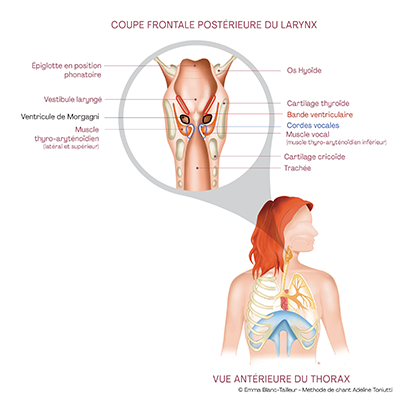
When a singer has stage fright, there is hypercontraction of the extrinsic laryngeal muscles. This creates a somewhat unstable sound. The consequence is a compensatory contraction of the intrinsic muscles, including the vocal muscles and the ventricular folds. The physical sensation of a “lump in the throat” would thus correspond fairly well to this constriction, this tightening of the perilaryngeal extrinsic muscles[9].

Frontal section of the larynx: vocal folds, ventricular folds, ventricle of Morgagni
Posterior frontal section of the larynx. The ventricular folds lie just above the vocal folds.Illustration © Emma Blanc-Tailleur, Anatomie du Chant, Adeline Toniutti

IN PLAIN TERMS

The extrinsic muscles connect the larynx to neighbouring structures (hyoid bone, sternum, jaw): they suspend it and move it. The intrinsic muscles are inside the larynx: they open, close and tense the vocal folds. The ventricular folds, sometimes called “false vocal folds”, are two folds of tissue lying just above the vocal folds. During singing, they normally stay apart.

WHAT THE RESEARCH SAYS

A team in Dallas measured the shape of the ventricular folds in 30 patients with muscle tension dysphonia and 33 people with no voice disorder. During quiet breathing, at the end of exhalation, the patients’ folds took on a bulging shape, a sign of squeezing, whereas those of the controls stayed hollowed and relaxed. The authors conclude that this squeezing at rest is a better sign of a muscle tension voice disorder than squeezing during phonation[9].

In humans, the intrinsic laryngeal muscles contract when the autonomic nervous system is activated, as it is under stress[10]. In some people, simply preparing a public speech in silence is enough to increase their activity[11].

On the link between emotion and the vocal gesture, see also Does emotion make the voice?.

STIFF PERSON SYNDROME

A disease of the brake, not of the muscle

Adeline Toniutti

Adeline Toniutti

Can you tell us about this disease? We know it affects the central nervous system. Could you go into detail about what it attacks in Céline Dion, in particular the membranes and the nerves, but also the mobility of the diaphragm?

Dr Marie Mailly

Dr Marie Mailly

The human body has “brake” systems, via GABA, a chemical messenger that calms the nerves, to stop opposing muscles from contracting at the same time. For example, when you bend your arm, the biceps has to contract and the triceps has to relax. In stiff person syndrome, the immune system mistakenly makes antibodies that attack the enzyme that produces this GABA, so this “brake” works poorly.

The result: opposing muscles contract at the same time instead of alternating normally, which makes the body permanently stiff. On top of that, a noise, a touch or stress can trigger violent, painful spasms, because the nervous system can no longer calm its reaction to stimuli. So it is a problem of a “missing brake” in the nervous system, not a problem with the muscles themselves[2].

Healthy nervous systemStiff person syndrome
Bending the armThe biceps contracts, the triceps relaxesThe biceps and the triceps contract together
At restThe muscles relaxPermanent stiffness, especially of the trunk and back
A noise, a touch, an emotionA brief startleSpasms, sometimes violent and painful
The muscle itselfNormalNormal: it is the nervous control that is disrupted

Based on Dr Marie Mailly’s explanations and the reviews by Rakocevic and Floeter (2012) and Dalakas (2024).

WHAT THE RESEARCH SAYS

Stiff person syndrome is rare. Long estimated at one case per million inhabitants, it appears to be more common: in Denmark, its prevalence rose from 1.3 to 3.9 cases per million between 2016 and 2022[12,13].

In most patients, the blood contains antibodies against GAD65, the enzyme that produces GABA. This link was discovered in 1988[14,3]. Electromyography records continuous muscle activity and simultaneous contraction of agonist and antagonist muscles[15]. The spasms are triggered by anxiety, noise, touch or startle[3].

Treatment of the symptoms relies first on drugs that enhance the action of GABA: benzodiazepines such as diazepam, baclofen, gabapentin. Immune therapies are added to these[16]. In a randomised placebo-controlled trial published in 2001, intravenous immunoglobulin (IVIG) reduced stiffness and hypersensitivity to stimuli[17].

And the vocal folds?

Adeline Toniutti

Adeline Toniutti

In your opinion, with this disease, what would you see on fibroscopy and stroboscopy? Would the vocal folds be the same?

Dr Marie Mailly

Dr Marie Mailly

The vocal involvement in stiff person syndrome is not documented as a localised laryngeal involvement, with spasm of the vocal folds. There are two symptoms that can explain the singing problems: spastic dysarthria, through rigidity or spasm of the muscles of the mouth and pharynx, and, in severe forms, a respiratory impact, through spasm of the diaphragm and the respiratory muscles, which compromises the breath support needed for any vocal production[4,2].

“In my opinion, with this disease, the laryngeal examination would be entirely normal.”

IN PLAIN TERMS

Fibroscopy involves passing a flexible camera through the nose to look at the larynx. Stroboscopy uses pulsed light that gives the impression of seeing the vibration of the vocal folds in slow motion. Dysarthria is a disorder of speech articulation, caused by damage to the nervous control of the muscles. Breath support refers to the air pressure supplied by the respiratory muscles, without which the vocal folds do not vibrate.

WHAT THE RESEARCH SAYS

In an American cohort of 199 patients, 35% describe respiratory symptoms during spasms, all the more often when the disease affects many regions of the body[5]. In another series, 15 of 17 patients are short of breath, with a restrictive respiratory pattern linked to rigidity of the rib cage[18]. A case presented at the American Academy of Neurology meeting in 2018 describes the disease revealed by spastic dysarthria[4], and swallowing can also be affected[19].

THE STAGING

A show that opens slowly

The show opens on a monumental stone set: the monoliths slowly part, a slit of light appears, and Céline Dion enters alone, in black, on a stage almost entirely in black and white[20,21]. Billboard notes the absence of pyrotechnics, a choice made, according to the magazine, to focus attention on the voice[22]. The production has not said publicly whether the disease guided these choices.

Adeline Toniutti

Adeline Toniutti

The set design was certainly adapted to her syndrome. This syndrome can react to a startle: a flash, a sudden blackout, a strobe, a bang. And here, there are no pyrotechnics. It is an entrance through a slit of light, something monolithic that opens slowly, in black and white, at an operatic pace.

What do you think?

Dr Marie Mailly

Dr Marie Mailly

I completely agree: everything was designed to reduce stress, and therefore the risk of an attack.

For how an artist prepares their entrance on stage, read the stage preparation protocol.

BREATH, PELVIS, TRUNK

When breathing deeply becomes an effort

Dr Amanda Piquet, Céline Dion’s neurologist at the University of Colorado, has described what the disease demands of singing: “You have to breathe in deeply, work all those muscles between the ribs, including the diaphragm.” She also mentions “painful cramps in the torso, chest and back”[23].

Adeline Toniutti

Adeline Toniutti

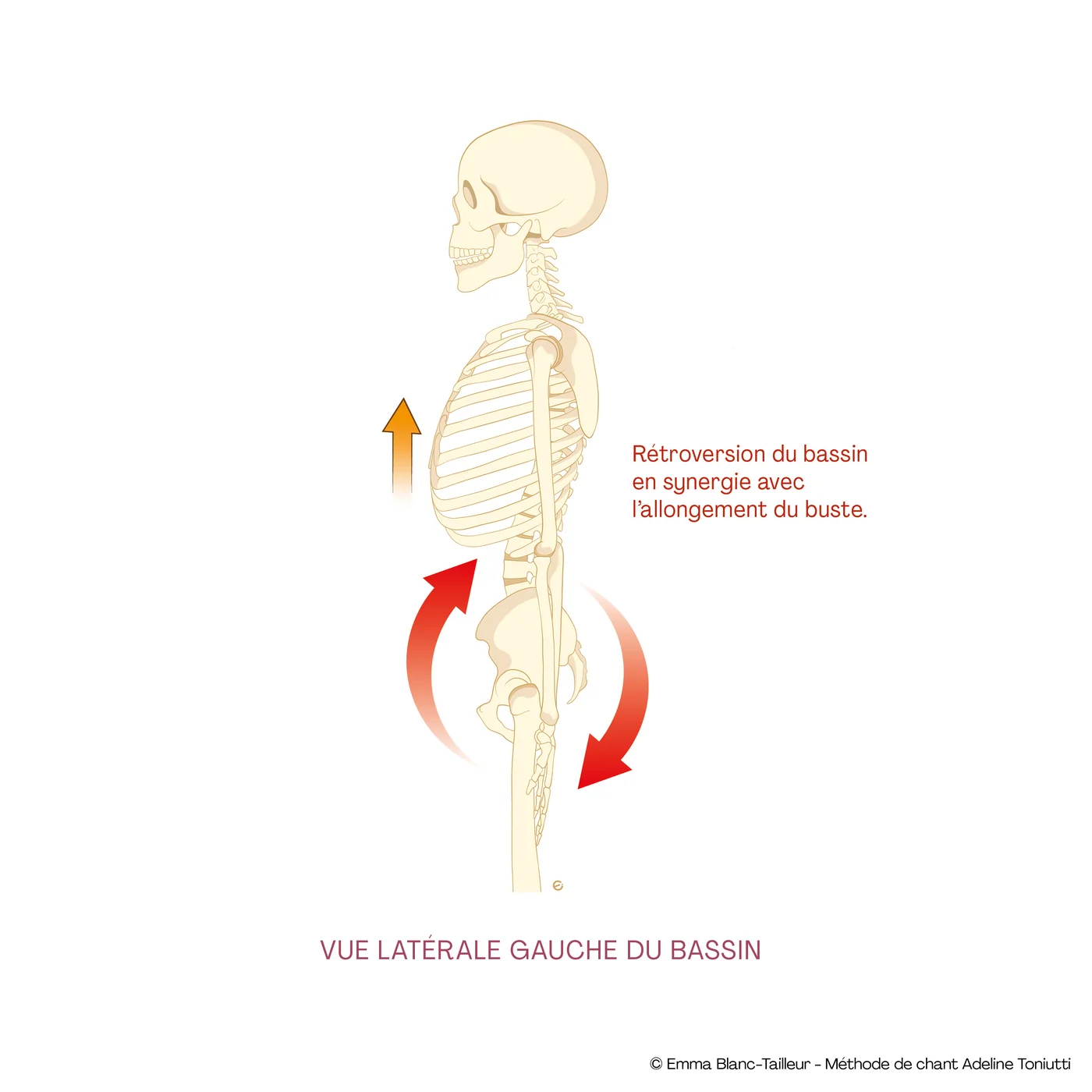
Her neurologist explains that a big breath in can become painful. I would add something I have seen: she no longer tilts her pelvis backwards. This movement engages the psoas, which relaxes the crura of the diaphragm, allowing the diaphragm to rise and bring more pressure for the high notes.

Do you think the fact that her pelvis no longer tilts comes from her disease, with perhaps less mobility in the trunk and pelvis?

Dr Marie Mailly

Dr Marie Mailly

Yes, that is likely. There may also be an element of osteoarthritis or reduced flexibility.

Posterior tilt of the pelvis working together with the lengthening of the torso, side view
Posterior tilt of the pelvis, working together with the lengthening of the torso.
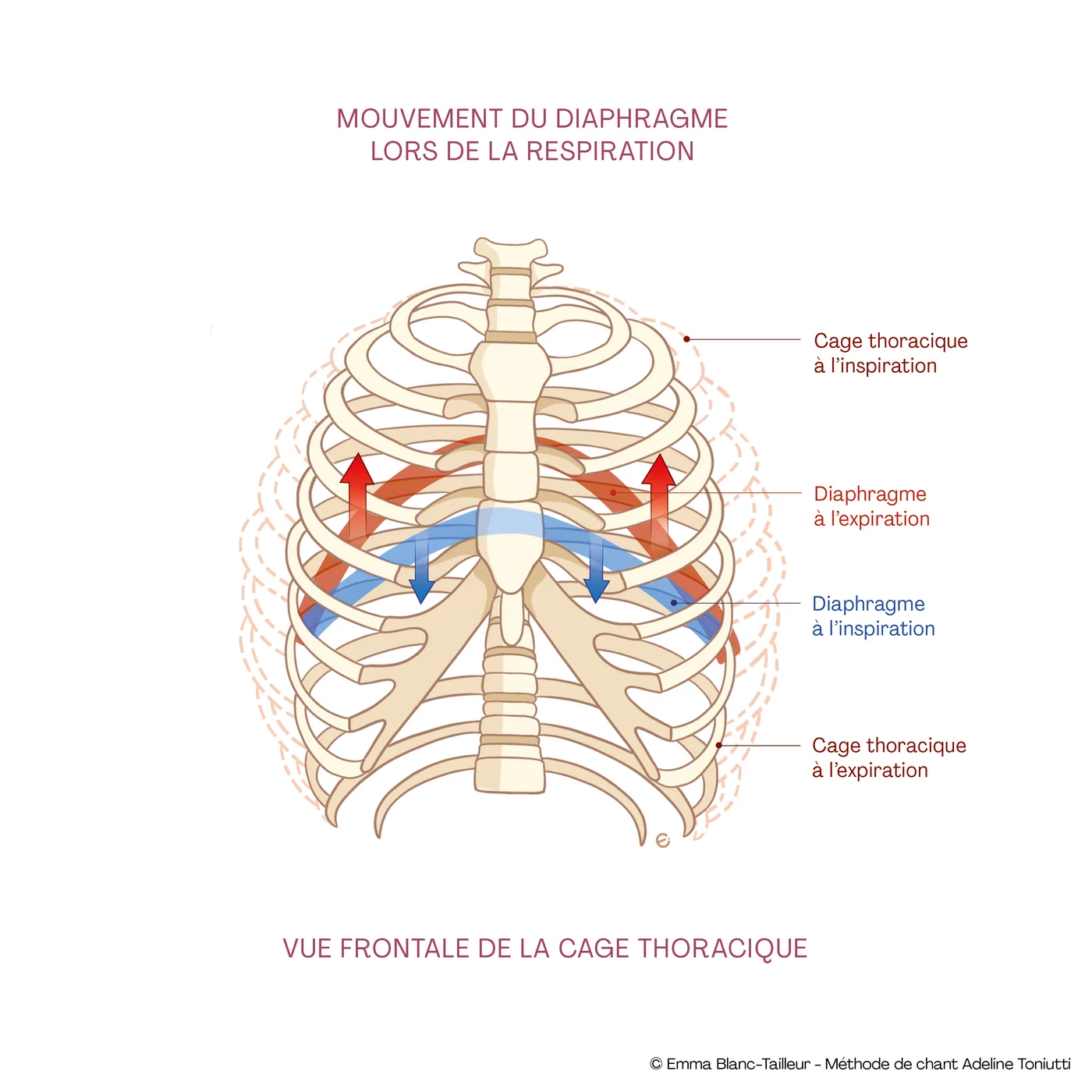
Movement of the diaphragm during breathing, front view of the rib cage
The movement of the diaphragm and the rib cage during breathing.

Illustrations © Emma Blanc-Tailleur, Anatomie du Chant, Adeline Toniutti

“Does her illness mean she has less flexibility, and therefore less strength? Only she can answer that.”

Adeline Toniutti · on Céline Dion's return to the stage, in franceinfo (French press), 16 September 2026

In Adeline Toniutti’s method, the tilt of the pelvis is one of the singer’s posture reference points. The details are in breathing for singers and in Anatomie du Chant.

PHYSIOTHERAPY

Preparing a stiff body for the stage

Estelle Moltenis, sports physiotherapist and CALYP partner, describes the preparation that, in her view, a return to the stage with this syndrome calls for.

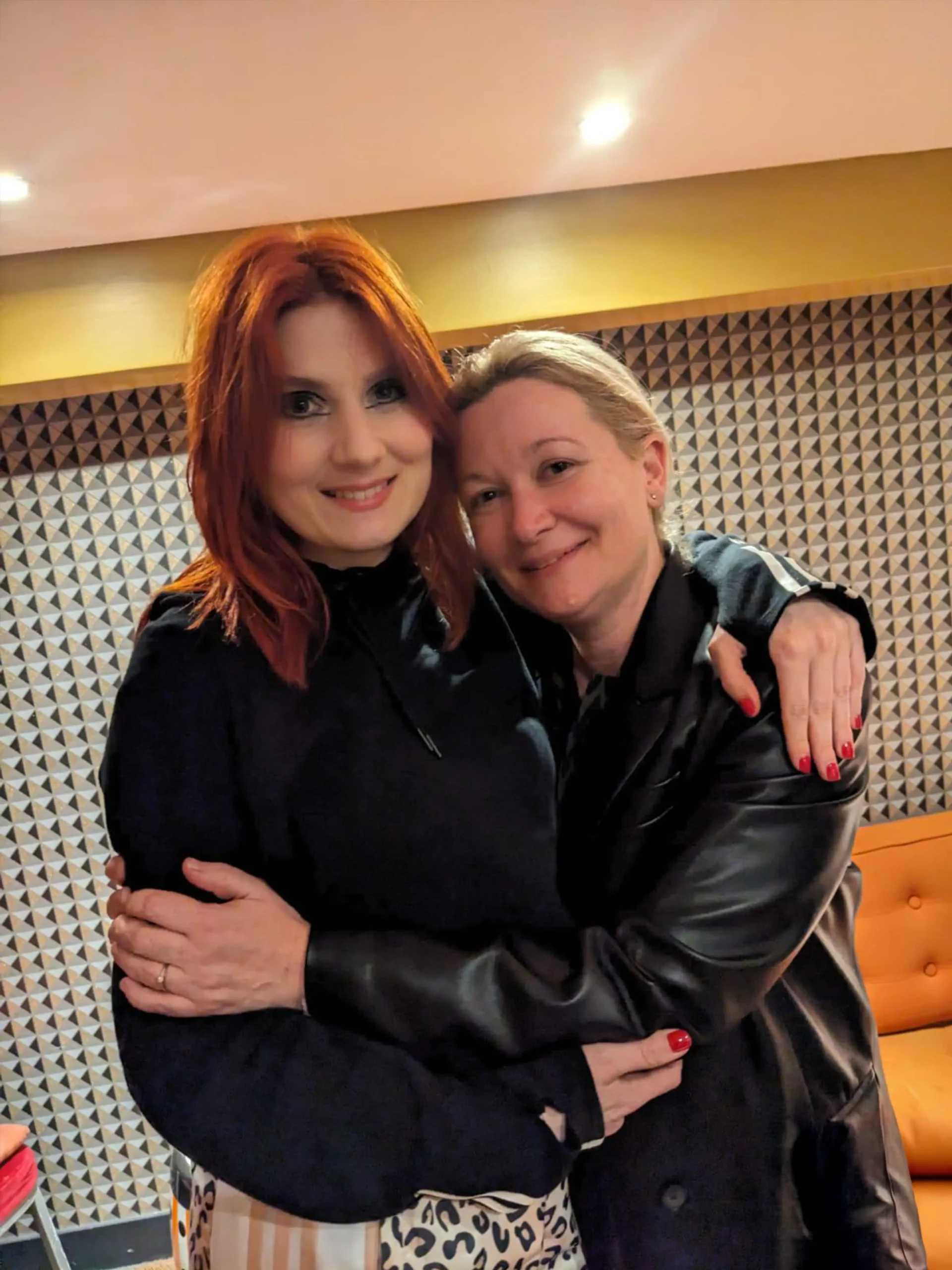
Estelle Moltenis and Adeline Toniutti

IN THE WORDS OF ESTELLE MOLTENIS

“Céline Dion must follow an intensive programme of rehabilitation and physical preparation to cope with stiff person syndrome.”

“This involves daily physiotherapy sessions, with slow joint mobilisations and gentle stretching, without triggering spasms. Also strengthening of the deep muscles, based on the Pilates method, with postural endurance work adapted to rehearsals and the stage.”

“Finally, diaphragmatic breathing exercises and work on thoracic and rib mobility, which is essential for preserving breath and singing.”

Estelle Moltenis · licensed physiotherapist

Photo: Estelle Moltenis and Adeline Toniutti.

WHAT THE RESEARCH SAYS

No randomised trial has evaluated physiotherapy in stiff person syndrome, a disease too rare for such trials to be run easily. The published cases conclude that it is useful[24]. In one patient followed in rehabilitation, progressive stretching, relaxation exercises against the spasms and gait training improved posture and walking[25]. Recent reviews stress management that combines drugs with non-drug approaches[12].

On looking after the singer’s body, read Train your body for the stage.

KEYS AND HIGH NOTES

The high notes are there; holding them is what takes its toll

“From a certain point, when you sing in belting, that is, in chest voice, for every semitone you go up, the effort the body has to produce grows exponentially.”

Adeline Toniutti · on Céline Dion's return to the stage, in franceinfo (French press), 16 September 2026
Adeline Toniutti

Adeline Toniutti

That may be why they lowered some keys, so as not to drain her energy completely. The famous F in All by Myself, to me, she still has it: I heard her sing it in J’irai où tu iras. She attacks those high notes, but she does not hold them.

What do you think of this change of key?

Dr Marie Mailly

Dr Marie Mailly

In women over 55, even without stiff person syndrome, there is less agility in the high notes, linked to the slowing of neuromuscular coordination, and a slight loss of range, with fewer high notes available: less respiratory support, thinning of the vocal folds, and so on. This is due to ageing, and above all to hormonal changes.

We do know, however, that this phenomenon is less marked in experienced singers with very good technique[26]. So, like you, I think that Céline has the high notes but finds them less easy to hold, and I also think that the disease plays a big part in her difficulties in the high notes.

WHAT THE RESEARCH SAYS

To sing louder or higher, the air pressure beneath the vocal folds, the subglottic pressure, has to increase[27]. Measured in singers, this pressure roughly doubles when the frequency doubles, that is, with each octave[28]. Each semitone therefore multiplies the pressure needed by the same factor: that is the definition of exponential growth. Belting, chest voice pushed up into the high range, is sung with very high subglottic pressure and firm closure of the vocal folds[29].

Between the ages of 65 and 80, amateur singers have a more stable and more powerful voice than non-singers of the same age, and sound younger to listeners[26].

“With her illness, it is far more reasonable to lower the key so that she lasts the whole show, rather than giving everything on one song and being completely exhausted at the end.”

Adeline Toniutti · on Céline Dion's return to the stage, in franceinfo (French press), 16 September 2026

Fast runs rather than long held notes

Adeline Toniutti noticed another change. Céline Dion does more “vibes”, the fast ornaments that come from gospel and R&B, which singers also call riffs or melismas.

Adeline Toniutti

Adeline Toniutti

I think it is because vibes require singing a little less loudly, and they bring back agility, whereas before she held big sustained notes with vibrato in chest voice, a bit like an opera singer, which calls for much more physical singing.

To understand chest voice and head voice, read the vocal registers and finding your tessitura.

MENOPAUSE AND PRESBYPHONIA

Menopause or presbyphonia: setting the record straight

Adeline Toniutti thinks that part of Céline Dion’s deeper timbre simply comes from the menopause. Online, some have spoken of presbyphonia, the ageing of the larynx. She asked Dr Mailly to untangle the two.

“There are the mechanisms of menopause which, because of a drop in hormones, make the voice deeper.”

Adeline Toniutti · on Céline Dion's return to the stage, in franceinfo (French press), 16 September 2026
Adeline Toniutti

Adeline Toniutti

Could you give us a quick recap on the menopause and the voice?

Dr Marie Mailly

Dr Marie Mailly

At the menopause, the drop in oestrogen and progesterone, combined with maintained androgen levels, leads to thickening of the vocal folds, with a drop in fundamental frequency of about a semitone on average[30]. This same thickening makes the high register, mechanism 2, harder to access, with a loss of range at the top and sometimes increased vocal instability. The mucosa also dries out, through loss of hormone-dependent lubrication, which increases vocal fatigue. This phenomenon affects the majority of menopausal women, but with an intensity that varies greatly from one individual to another[31].

Adeline Toniutti

Adeline Toniutti

Do you think Céline Dion herself has been affected by a lowering of her timbre due to the menopause?

Dr Marie Mailly

Dr Marie Mailly

Yes, that is entirely possible. A small aside: I do not know whether Céline is taking hormone replacement therapy, but classic combined oestrogen-progestogen HRT seems to have an overall protective effect on fundamental frequency, and can improve certain vocal symptoms in some patients, but not in every case[32].

Adeline Toniutti

Adeline Toniutti

Could you set the record straight between presbyphonia and the menopause, and regarding Céline Dion?

Dr Marie Mailly

Dr Marie Mailly

The menopause is a precise hormonal event that can be dated, the end of ovarian function, which specifically affects women around the age of 50. Presbyphonia is a phenomenon purely linked to the ageing of the laryngeal tissues: muscle atrophy and stiffening of the vocal folds, calcification of the cartilages, reduced respiratory support. It affects both sexes, and can begin as early as the forties or fifties, but becomes more pronounced mainly after 65 to 70[33]. In practice, in women, the two often overlap in the same age range, and it is sometimes difficult to separate what is specifically due to one or the other.

As for Céline, who is 58, she is still rather young to have presbyphonia, especially as she is an experienced singer who “works out” her vocal folds every day[34]. In her case, any vocal difficulty is very probably dominated by the syndrome she has, which can affect phonation by impairing respiratory and laryngeal muscle coordination.

MenopausePresbyphonia
NatureA hormonal event that can be dated: the end of ovarian functionAgeing of the laryngeal tissues
WhoWomenWomen and men
WhenAround the age of 50Can begin around 40 or 50, becomes more pronounced mainly after 65 to 70
What changesOestrogen and progesterone fall, androgens are maintained; thickened vocal folds, drier mucosaMuscle atrophy, stiffening of the vocal folds, calcification of the cartilages, weaker respiratory support
Effect on the voiceFundamental frequency about a semitone lower; high notes (M2) less accessible; vocal fatigueLess stable and less powerful voice, shorter breath
In Céline Dion, aged 58“Entirely possible”“Almost non-existent” according to Dr Mailly

Based on Dr Marie Mailly’s written answers (24 September 2026), supplemented for presbyphonia by Kendall’s review (2007).

DR MARIE MAILLY’S RANKING

“To sum up, I think that what may be causing Céline’s vocal problems is, in order: stiff person syndrome, far ahead; the menopause; and far behind, almost non-existent in my view, presbyphonia.”

Dr Marie Mailly · ENT, voice and botulinum toxin specialist, Paris

WHAT THE RESEARCH SAYS

A 2022 meta-analysis confirms a drop in fundamental frequency of about a semitone after the menopause[30]. Up to 46% of menopausal women perceive a change in their voice[35]. A Finnish study from 1997 observed that hormone therapy attenuates this drop, especially with oestrogen alone[32]; a 2026 review considers this protective effect still uncertain[35].

In older people who consult for a voice disorder, presbyphonia accounts for only about 18% of cases: age is not the default cause[36]. Among 110 choristers over 60, vocal discomfort when singing increases mainly after 75, and in those who drink little water[34].

The subject is covered in detail, with Dr Bruno Coulombeau, phoniatrician, in Menopause, andropause, presbyphonia.

THE AIR IN THE VENUE

A venue that must not dry out the vocal folds

Adeline Toniutti

Adeline Toniutti

It is also said that the temperature of the arena was kept stable so as not to dry out her mucous membranes and to avoid dehydration. What do you think?

Dr Marie Mailly

Dr Marie Mailly

There are no official recommendations on the ideal humidity of a concert hall, but it seems very good to me to make sure that the air in the hall is not too dry. That way, the vocal folds stay moist and vocal function is optimal[37].

No official source has confirmed this setting in the venue. The question remains useful, because dry air acts quickly on the voice.

WHAT THE RESEARCH SAYS

Ten minutes of breathing dry air is enough to increase voice irregularities in healthy people[38]. Breathing through the mouth in dry air increases the effort needed to set the vocal folds vibrating, and humidifying the air brings this effort back towards normal[39]. A systematic review concludes that dehydration degrades the voice, and that drinking, inhaling steam and humidifying the ambient air improve it[40].

MEDICATION

What benzodiazepines change in the vocal gesture

In 2024, Céline Dion told the US network NBC that she had taken up to 90 milligrams of Valium (diazepam) a day to get through her shows. She said: “Ninety milligrams of Valium can kill you. You can stop breathing.”[41] Benzodiazepines enhance the action of GABA, the brake that is lacking in this disease; that is why they are among the first treatments for the symptoms[16].

Adeline Toniutti

Adeline Toniutti

Because of her disease, she is on medication, including benzodiazepines. What do you think that does to the command the brain sends to the nerves and muscles to make the vocal gesture? Is she less precise?

Dr Marie Mailly

Dr Marie Mailly

Of course, it all depends on the doses, but taking benzodiazepines can lead to a reduction in fine motor performance, which can show up as a loss of precision in the attack of notes, less agility in fast runs or in the high notes, and a possible alteration of timbre or intonation, through excessive relaxation of laryngeal and perilaryngeal muscle tone, the sedative effect also extending to the support muscles[42].

WHAT THE RESEARCH SAYS

Most drugs have never been evaluated for their effects on the voice, which calls for particular vigilance in singers[43]. No study has measured the effect of a benzodiazepine alone on the singing voice. The link comes from their known effects on the brain: a meta-analysis shows that long-term use impairs processing speed and psychomotor abilities[44].

VOICE REST

Silence between concerts

Among Céline Dion’s rituals before going on stage, the press mentions several days of total silence[45].

Adeline Toniutti

Adeline Toniutti

Apparently, Céline observes complete rest between dates: she does not speak for two days. We often do that when there is a little oedema. What we can say, though, is that whispering is off limits, and so is whistling.

What do you think of this practice? Could she still speak a little?

Dr Marie Mailly

Dr Marie Mailly

I think it is too drastic. Speaking in a conversational voice, that is, the voice you use to talk to someone in a lift or in a small quiet room, does not traumatise the vocal folds. I think she does it, and she is right to, so that she can really cut herself off from all the other demands on her: promotion, dinners, and so on.

WHAT THE RESEARCH SAYS

Voice rest instructions vary widely from one doctor to another, and are based on little evidence, even after vocal fold surgery[46]. After two hours of vocal loading in the laboratory, 90% of recovery takes place within four to six hours, and it is complete within twelve to eighteen hours[47]. Whispering is not rest: of 100 patients examined, 69 squeezed the larynx above the vocal folds more when whispering than when speaking normally[48].

For the everyday habits that protect the voice, read how not to tire your voice.

THE FOLLOWING CONCERTS

Steadier and stronger, night after night

Adeline Toniutti

Adeline Toniutti

What we can say, all the same, is that the dates are getting better. It seems she is increasingly getting back into her stage habits, with more than 1,100 concerts in Las Vegas alone behind her[49]. I find her more and more stable and stronger and stronger, which also shows that there was an element of stress on the first date.

On the third night, Le Parisien wrote: “Gone is the very first night’s fear of stumbling”[50]. On the fifth, RTS described a voice “as fluid and precise as ever”[51].

“They really pulled off a feat by freezing the symptoms of the illness so that she could get back on stage. […] She could have lip-synced and kept the same key, but she shows herself as a warrior with her scars, she owns it, and that deserves to be saluted.”

Adeline Toniutti · on Céline Dion's return to the stage, in franceinfo (French press), 16 September 2026

EPILOGUE

The shadow of Maria Callas

At the heart of the show, beneath snow falling on the stage, Céline Dion sings “Ebben? Ne andrò lontana”, the aria from Alfredo Catalani’s La Wally that Maria Callas recorded in 1954[21,52]. At the end of the aria, she simply says: “I have made a dream come true.”[52]

Adeline Toniutti

Adeline Toniutti

She sang a Maria Callas aria, and she took on something of Callas’s timbre, in head voice, which is very characteristic of opera singers. But since she has a microphone, we do not get all the characteristics of an operatic voice, because an operatic voice carries over the orchestra without a microphone.

IN PLAIN TERMS

An opera voice makes itself heard without a microphone over a symphony orchestra thanks to a boost in energy around 2,500 to 3,000 hertz, a region where the orchestra is less powerful. The Swedish researcher Johan Sundberg named this boost the “singer’s formant”[53].

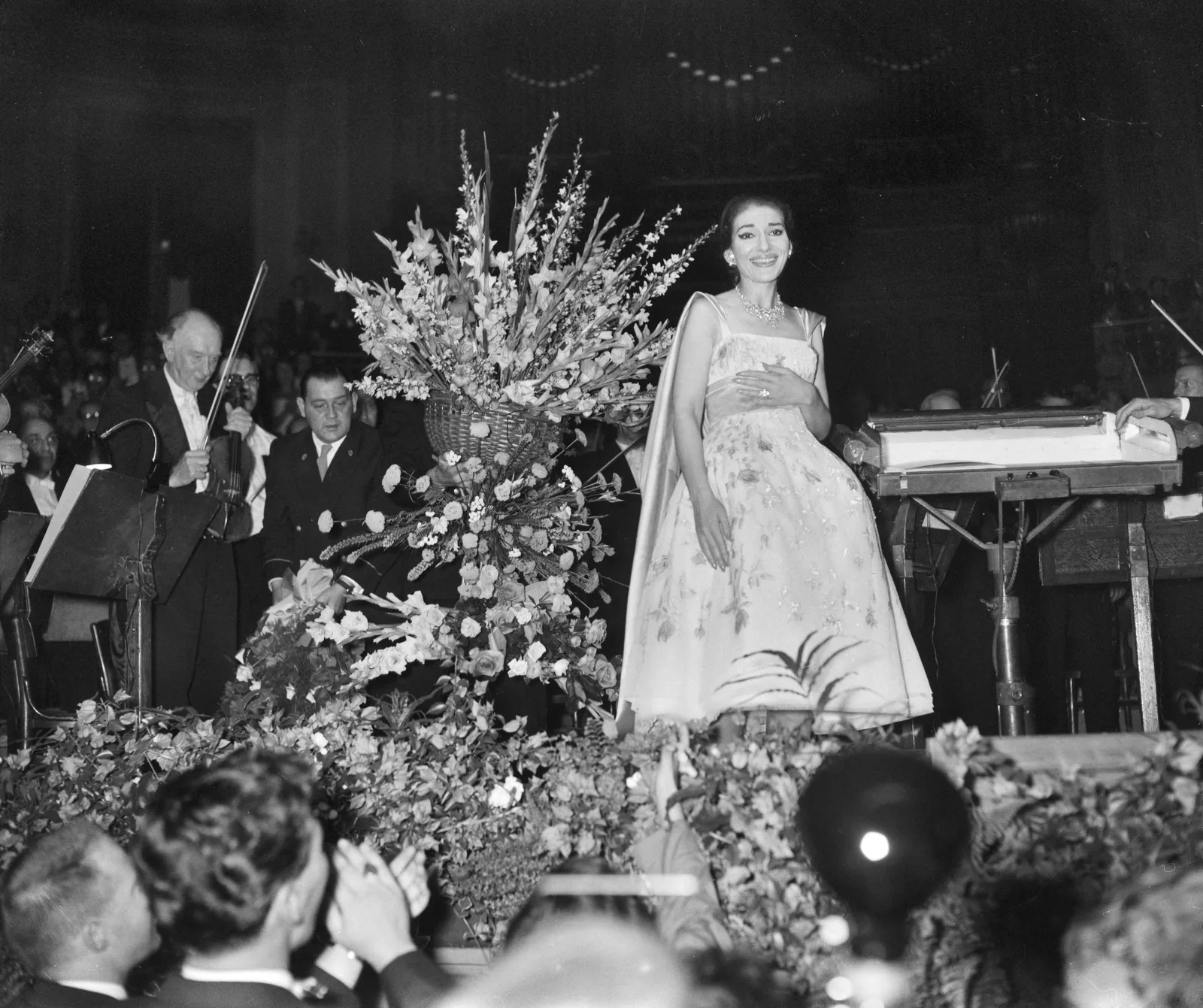
Maria Callas acknowledging the audience at the Concertgebouw in Amsterdam in 1959, surrounded by flowers
Maria Callas acknowledges the audience at the Concertgebouw in Amsterdam, 11 July 1959.Photo: Joop van Bilsen / Anefo, Nationaal Archief, CC0.
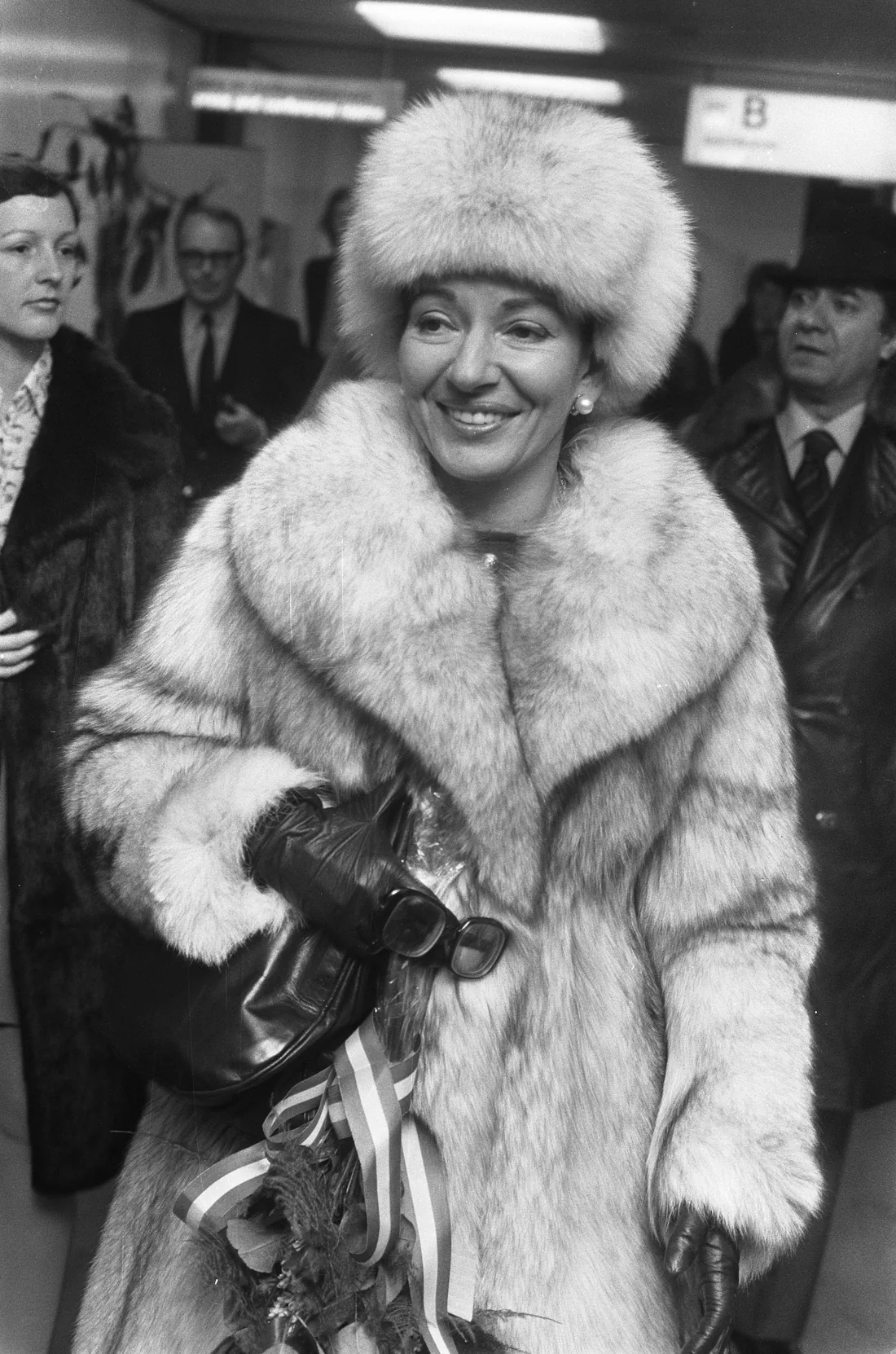
Maria Callas at Schiphol airport in 1973, in a fur coat, holding a bouquet
Maria Callas in Amsterdam on 9 December 1973, during her comeback tour with Giuseppe di Stefano.Photo: Bert Verhoeff / Anefo, Nationaal Archief, CC0.
Adeline Toniutti

Adeline Toniutti

I think she paid tribute to Callas, who is the myth of the greatest singer, a myth that will hover over our civilisation for a very long time to come.

Her return is so spectacular that it gives rise to all sorts of legends and fantasies, along the lines of “it’s her sister” or “it’s a clone”[54].

MARIA CALLAS, 1964

“I am not an idol, I am human”

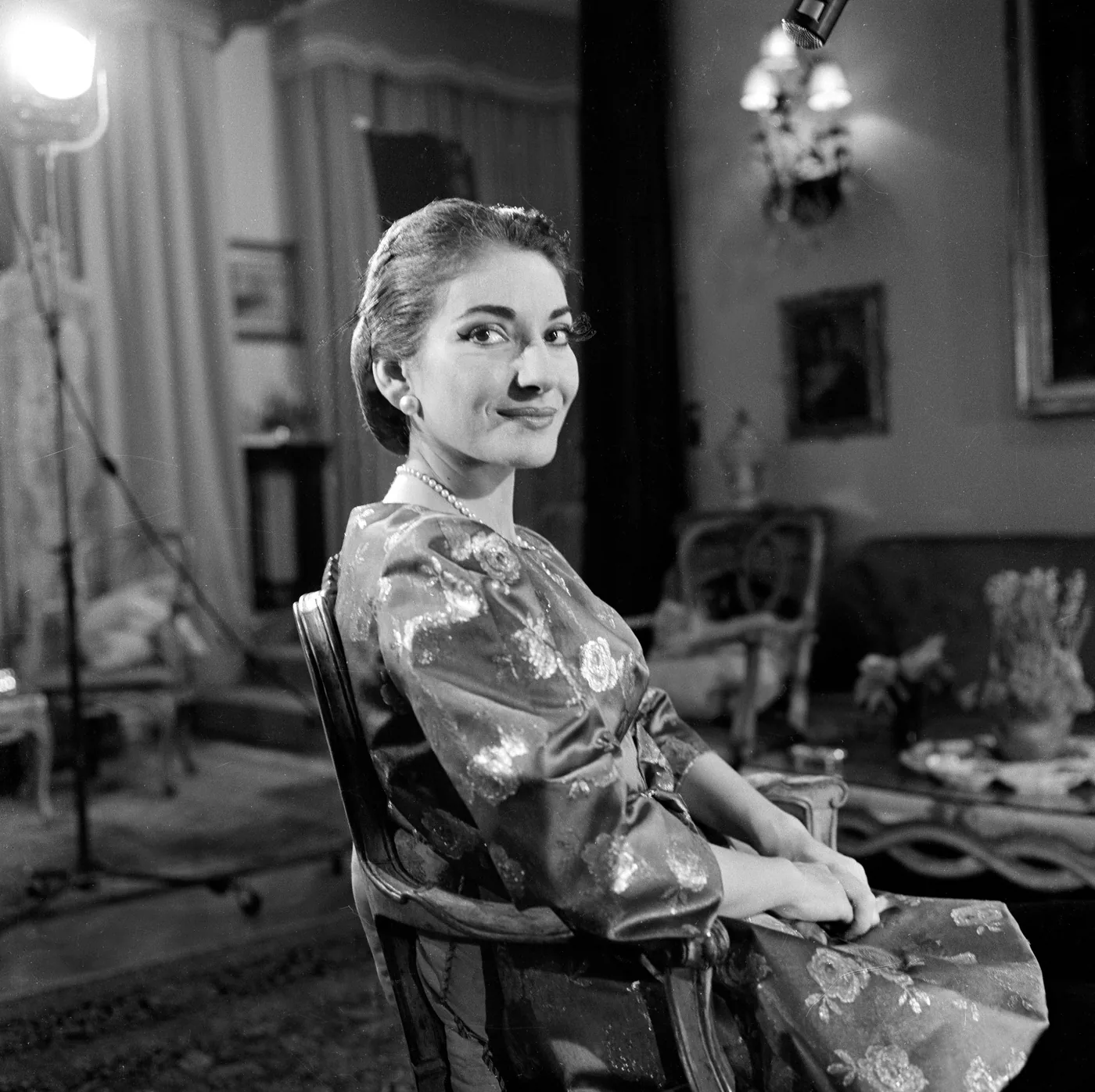
Maria Callas in 1958, black-and-white portrait
Maria Callas in 1958.Photo: CBS Television, public domain, via Wikimedia Commons.

“You need them, and you destroy them, idols, very easily. So, just as you make your idols, the moment this poor idol is ill, or is going through a difficult time in life and needs to be helped, that is the moment you ruin them. […]

I am not an idol, I am human. That is why I am not always perfect. That is why sometimes I sing well, sometimes I sing less well.”

Maria Callas, replying to Bernard Gavoty, who was asking her to accept being an idol. Television interview filmed in Paris in June 1964, INA archives[55].

Sixty-two years after that interview, Céline Dion returns to the stage in Paris, with an illness she no longer hides, and the audience cheers her.

“When Callas lost her voice, the public dropped her: she no longer had a voice, and in the end no longer had the public’s love either, with the public pointing out her weaknesses, disappointed that she was no longer what she had been. Now we can see that attitudes have changed, because Céline comes back and receives a great deal of love, and the public accepts her with her imperfections.”

PRECAUTIONS

What this article is, and what it is not

Dr Marie Mailly wrote it at the top of her answers: “I am treading very carefully, because little is known about the syndrome Céline has. My answers are all based on scientific articles.”

None of the contributors examined Céline Dion. Their answers are expert interpretations, based on what the public saw and heard, on the public statements of Céline Dion and her doctors, and on the scientific literature. They are neither a diagnosis nor medical advice. For any question about your own voice, consult a phoniatrician or an ENT.

Adeline Toniutti’s questions and statements: exchanges with Dr Mailly (September 2026) and franceinfo (16 September 2026). The references cited by Dr Mailly were checked on PubMed and completed with their identifiers; four of them were corrected against the official record (authors, year or journal).

BIBLIOGRAPHY

Sources and references

References are numbered in order of appearance. Scientific studies link to their PubMed record and their DOI.

References cited

  1. 1.À Paris, Céline Dion tangue, mais tient bon. Le Devoir, 12 September 2026.
  2. 2.Rakocevic G, Floeter MK. Autoimmune stiff person syndrome and related myelopathies: understanding of electrophysiological and immunological processes. Muscle Nerve. 2012;45(5):623-34. PMID 22499087 · doi:10.1002/mus.23234 (cited by Dr Mailly)
  3. 3.Dalakas MC. Stiff-person syndrome and related disorders: diagnosis, mechanisms and therapies. Nat Rev Neurol. 2024;20(10):587-601. PMID 39227464 · doi:10.1038/s41582-024-01012-3
  4. 4.Giles S, Persaud A, Pulley M, Shneyder N. Spastic dysarthria as a presenting sign of stiff person syndrome (P3.434) [conference abstract, American Academy of Neurology]. Neurology. 2018;90(15 Suppl):P3.434. doi:10.1212/WNL.90.15_supplement.P3.434 (cited by Dr Mailly)
  5. 5.Pimentel Maldonado DA, Balshi A, Hu C, Fitzgerald KC, Koshorek J, Reyes-Mantilla MI, et al. Respiratory symptoms are common in stiff person syndrome spectrum disorders and are associated with number of body regions involved. Eur J Neurol. 2023;30(8):2498-505. PMID 37154293 · doi:10.1111/ene.15825
  6. 6.Céline Dion was diagnosed with stiff-person syndrome. Here’s how it affects people. NPR, 8 December 2022.
  7. 7.Celine Dion lights up Paris on the opening night of her Celine Dion Paris 2026 shows (official press release). celinedion.com, September 2026.
  8. 8.Parrot C. « Sa voix est un peu plus grave » : comment Céline Dion a adapté ses chansons pour son retour sur scène à Paris. franceinfo, 16 September 2026. With analysis by Adeline Toniutti.
  9. 9.Han J, Morrison R, Mau T, Shembel AC. Quantification of false vocal fold hyperfunction during quiet breathing in muscle tension dysphonia. Laryngoscope. 2023;133(12):3449-54. PMID 37314219 · doi:10.1002/lary.30814 (cited by Dr Mailly)
  10. 10.Helou LB, Wang W, Ashmore RC, Rosen CA, Abbott KV. Intrinsic laryngeal muscle activity in response to autonomic nervous system activation. Laryngoscope. 2013;123(11):2756-65. PMID 23620064 · doi:10.1002/lary.24109
  11. 11.Helou LB, Rosen CA, Wang W, Verdolini Abbott K. Intrinsic laryngeal muscle response to a public speech preparation stressor. J Speech Lang Hear Res. 2018;61(7):1525-43. PMID 29922837 · doi:10.1044/2018_JSLHR-S-17-0153
  12. 12.Riveros D, Buyukkurt A, Newsome SD. Understanding stiff-person syndrome: epidemiological trends, diagnostic challenges, and treatment advances. J Neuroimmunol. 2026;415:578888. PMID 41793840 · doi:10.1016/j.jneuroim.2026.578888
  13. 13.Sørensen HT, Sørensen TT, Elser H, Horváth-Puhó E. Occurrence and mortality of stiff person syndrome in Denmark. Neuroepidemiology. 2026 (published online 8 June 2026). PMID 42258595 · doi:10.1159/000552837
  14. 14.Solimena M, Folli F, Denis-Donini S, Comi GC, Pozza G, De Camilli P, et al. Autoantibodies to glutamic acid decarboxylase in a patient with stiff-man syndrome, epilepsy, and type I diabetes mellitus. N Engl J Med. 1988;318(16):1012-20. PMID 3281011 · doi:10.1056/NEJM198804213181602
  15. 15.Li Y, Thakore N. An appraisal of electrodiagnostic studies in stiff person syndrome. J Clin Neuromuscul Dis. 2020;22(2):84-9. PMID 33214393 · doi:10.1097/CND.0000000000000302
  16. 16.Dalakas MC. Therapies in stiff-person syndrome: advances and future prospects based on disease pathophysiology. Neurol Neuroimmunol Neuroinflamm. 2023;10(3):e200109. PMID 37059468 · doi:10.1212/NXI.0000000000200109
  17. 17.Dalakas MC, Fujii M, Li M, Lutfi B, Kyhos J, McElroy B. High-dose intravenous immune globulin for stiff-person syndrome. N Engl J Med. 2001;345(26):1870-6. PMID 11756577 · doi:10.1056/NEJMoa01167
  18. 18.Sexauer W, Woodford M, Pack K, Allen A, Crawford A, Rakocevic G. Dyspnea in patients with stiff-person syndrome. Am J Med Sci. 2019;358(4):268-72. PMID 31400804 · doi:10.1016/j.amjms.2019.07.007
  19. 19.Stathopoulos P, Dalakas MC. Autoimmune neurogenic dysphagia. Dysphagia. 2022;37(3):473-87. PMID 34226958 · doi:10.1007/s00455-021-10338-9
  20. 20.Céline Dion Returns to the Stage in Paris With Elegance and Emotion. Rolling Stone, 13 September 2026.
  21. 21.A monumental set design fit for a monumental artist: Céline Dion returns to the stage. Wallpaper*, 14 September 2026.
  22. 22.Céline Dion’s Paris 2026 Setlist: Every Song Played at the First Show. Billboard, September 2026.
  23. 23.« Elle a énormément travaillé » : la neurologue de Céline Dion évoque le retour sur scène de la chanteuse. RTBF, 22 April 2026.
  24. 24.Vaiyapuri A, Kashyap P, Kashyap N, Muthusamy H, Unnikrishnan R, Alqahtani M. Is stiff person syndrome benefited by physical therapy intervention? Summary of case reports. Biomed Res Int. 2019;2019:5613680. PMID 31019968 · doi:10.1155/2019/5613680
  25. 25.Potter K. Physical therapy during in-patient rehabilitation for a patient with stiff-person syndrome. J Neurol Phys Ther. 2006;30(1):28-38. PMID 16630369 · doi:10.1097/01.npt.0000282147.18446.b8
  26. 26.Prakup B. Acoustic measures of the voices of older singers and nonsingers. J Voice. 2012;26(3):341-50. PMID 21889299 · doi:10.1016/j.jvoice.2011.05.007
  27. 27.Titze IR, Sundberg J. Vocal intensity in speakers and singers. J Acoust Soc Am. 1992;91(5):2936-46. PMID 1629486 · doi:10.1121/1.402929
  28. 28.Björkner E. Musical theater and opera singing: why so different? A study of subglottal pressure, voice source, and formant frequency characteristics. J Voice. 2008;22(5):533-40. PMID 17485197 · doi:10.1016/j.jvoice.2006.12.007
  29. 29.Sundberg J, Gramming P, Lovetri J. Comparisons of pharynx, source, formant, and pressure characteristics in operatic and musical theatre singing. J Voice. 1993;7(4):301-10. PMID 8293062 · doi:10.1016/s0892-1997(05)80118-3
  30. 30.Lã FMB, Ardura D. What voice-related metrics change with menopause? A systematic review and meta-analysis study. J Voice. 2022;36(3):438.e1-17. PMID 32660847 · doi:10.1016/j.jvoice.2020.06.012
  31. 31.Abitbol J, Abitbol P, Abitbol B. Sex hormones and the female voice. J Voice. 1999;13(3):424-46. PMID 10498059 · doi:10.1016/s0892-1997(99)80048-4
  32. 32.Lindholm P, Vilkman E, Raudaskoski T, Suvanto-Luukkonen E, Kauppila A. The effect of postmenopause and postmenopausal HRT on measured voice values and vocal symptoms. Maturitas. 1997;28(1):47-53. PMID 9391994 · doi:10.1016/s0378-5122(97)00062-5
  33. 33.Kendall K. Presbyphonia: a review. Curr Opin Otolaryngol Head Neck Surg. 2007;15(3):137-40. PMID 17483679 · doi:10.1097/MOO.0b013e328166794f
  34. 34.Moura WER, Gadenz CD, Lemos IO, Bós ÂJG, Cassol M. Analysis of the singing voice handicap index for elderly choristers. CoDAS. 2021;34(1):e20200302. PMID 34705924 · doi:10.1590/2317-1782/20212020302 (cited by Dr Mailly)
  35. 35.Bensoussan YE, Evangelista EG, Doctor RJ, Mathyk BA, Bevec KL, Toghranegar JA, et al. Menopause and the voice: a narrative review of physiological changes, hormone therapy effects, and treatment options. Menopause. 2026;33(2):232-41. PMID 40924880 · doi:10.1097/GME.0000000000002636
  36. 36.Chang FC, Doan TN, Wang LH, To TL, Ho WC, Chou LW. Prevalence of presbyphonia in older adults with dysphonia: a systematic review and meta-analysis. Am J Speech Lang Pathol. 2023;32(6):3064-76. PMID 37816221 · doi:10.1044/2023_AJSLP-23-00143
  37. 37.Leydon C, Sivasankar M, Falciglia DL, Atkins C, Fisher KV. Vocal fold surface hydration: a review. J Voice. 2009;23(6):658-65. PMID 19111440 · doi:10.1016/j.jvoice.2008.03.010
  38. 38.Hemler RJ, Wieneke GH, Dejonckere PH. The effect of relative humidity of inhaled air on acoustic parameters of voice in normal subjects. J Voice. 1997;11(3):295-300. PMID 9297673 · doi:10.1016/s0892-1997(97)80007-0
  39. 39.Levendoski EE, Sundarrajan A, Sivasankar MP. Reducing the negative vocal effects of superficial laryngeal dehydration with humidification. Ann Otol Rhinol Laryngol. 2014;123(7):475-81. PMID 24690983 · doi:10.1177/0003489414527230
  40. 40.Alves M, Krüger E, Pillay B, van Lierde K, van der Linde J. The effect of hydration on voice quality in adults: a systematic review. J Voice. 2019;33(1):125.e13-28. PMID 29122414 · doi:10.1016/j.jvoice.2017.10.001
  41. 41.Celine Dion relied on heavy doses of Valium to get through shows and fight rare condition. NBC News, 11 June 2024.
  42. 42.Spiegel JR, Hawkshaw M, Sataloff RT. Dysphonia related to medical therapy. Otolaryngol Clin North Am. 2000;33(4):771-84. PMID 10918660 · doi:10.1016/s0030-6665(05)70243-7 (cited by Dr Mailly)
  43. 43.Abaza MM, Levy S, Hawkshaw MJ, Sataloff RT. Effects of medications on the voice. Otolaryngol Clin North Am. 2007;40(5):1081-90. PMID 17765696 · doi:10.1016/j.otc.2007.05.010
  44. 44.Barker MJ, Greenwood KM, Jackson M, Crowe SF. Cognitive effects of long-term benzodiazepine use: a meta-analysis. CNS Drugs. 2004;18(1):37-48. PMID 14731058 · doi:10.2165/00023210-200418010-00004
  45. 45.Céline Dion a toute une liste de rituels qu’elle fait avant de monter sur scène pour lui porter chance et l’un d’entre eux concerne René Angélil. Paris Match Belgique, 16 September 2026.
  46. 46.Behrman A, Sulica L. Voice rest after microlaryngoscopy: current opinion and practice. Laryngoscope. 2003;113(12):2182-6. PMID 14660924 · doi:10.1097/00005537-200312000-00026
  47. 47.Hunter EJ, Titze IR. Quantifying vocal fatigue recovery: dynamic vocal recovery trajectories after a vocal loading exercise. Ann Otol Rhinol Laryngol. 2009;118(6):449-60. PMID 19663377 · doi:10.1177/000348940911800608
  48. 48.Rubin AD, Praneetvatakul V, Gherson S, Moyer CA, Sataloff RT. Laryngeal hyperfunction during whispering: reality or myth?. J Voice. 2006;20(1):121-7. PMID 16503476 · doi:10.1016/j.jvoice.2004.10.007
  49. 49.Celine Dion Wraps Historic 16-Year Run in Las Vegas With Record-Breaking $681 Million in Ticket Sales. Billboard, 13 June 2019.
  50. 50.« Paris de mes amours, on te revient toujours » : Céline Dion confirme pour son troisième soir et fait (un peu) évoluer son show. Le Parisien, 19 September 2026.
  51. 51.Céline Dion toujours en forme vocale au cinquième soir de son retour. RTS, 24 September 2026.
  52. 52.L’ombre de La Callas plane sur la résidence parisienne de Céline Dion. ResMusica, 16 September 2026.
  53. 53.Sundberg J. Articulatory interpretation of the “singing formant”. J Acoust Soc Am. 1974;55(4):838-44. PMID 4833080 · doi:10.1121/1.1914609
  54. 54.Une folle rumeur de clone et de sosie visant Céline Dion enflamme les réseaux sociaux. Monde de Stars, 15 September 2026.
  55. 55.Maria Callas à propos de sa vie et de sa carrière. Interview with Bernard Gavoty, directed by Gérard Herzog, ORTF. INA archives, record I00003014. The full interview, filmed in Paris, is dated June 1964.

CALYP

Has your voice changed?

An assessment by a voice doctor, then precise work on breath, posture and coordination: at CALYP, the two move forward together.

Frequently asked questions

Why is Céline Dion’s voice lower?

According to Dr Marie Mailly, ENT, her voice has changed for three reasons: age, her neurological disease and, probably, her treatment. The menopause can also lower the fundamental frequency by about a semitone. Her songs have also been transposed: All by Myself a major third lower, The Power of Love a minor third lower, My Heart Will Go On a tone lower.

What is stiff person syndrome?

A rare autoimmune disease of the central nervous system. Antibodies attack the enzyme that produces GABA, the chemical messenger that stops opposing muscles from contracting at the same time. The muscles stiffen, especially those of the trunk, and painful spasms can be triggered by a noise, a touch, stress or a startle. The muscle itself is not diseased.

Does stiff person syndrome damage the vocal folds?

No, according to Dr Marie Mailly: the involvement is not documented as laryngeal, and an examination of the larynx would probably be normal. The voice is hampered by stiffness of the muscles of the mouth and pharynx (spastic dysarthria) and, in severe forms, by spasms of the diaphragm and the respiratory muscles, which deprive the voice of its support.

Does Céline Dion have presbyphonia?

That is unlikely, according to Dr Marie Mailly. At 58, Céline Dion is young for presbyphonia, which becomes more pronounced mainly after 65 to 70, and she trains her voice every day. Dr Mailly ranks the possible causes of her vocal difficulties in this order: stiff person syndrome far ahead, the menopause, and presbyphonia, “almost non-existent”.

Why did Céline Dion lower the key of her songs?

To save her energy. In chest voice, the air pressure needed increases with each semitone towards the top, which Adeline Toniutti describes as an exponential effort. Céline Dion still has her high notes, according to Adeline Toniutti and Dr Mailly, but finds them less easy to hold. With her illness, lowering the key allows her to last the whole concert.

Do benzodiazepines change the voice?

Depending on the dose, they can reduce fine motor precision: less precise attack of notes, less agile fast runs, timbre or intonation altered by a relaxation of the tone of the laryngeal and support muscles. No study has measured the effect of a benzodiazepine alone on the singing voice; the link comes from their known effects on motor skills and alertness.

Should you stay completely silent between two concerts?

Dr Marie Mailly considers total silence too drastic: speaking in a conversational voice, as in a lift, does not traumatise the vocal folds. Silence mainly protects against outside demands. Whispering, on the other hand, is not rest: in 69% of patients in one study, it makes the larynx squeeze more.