
Shyness, daring to sing
Voice clinic
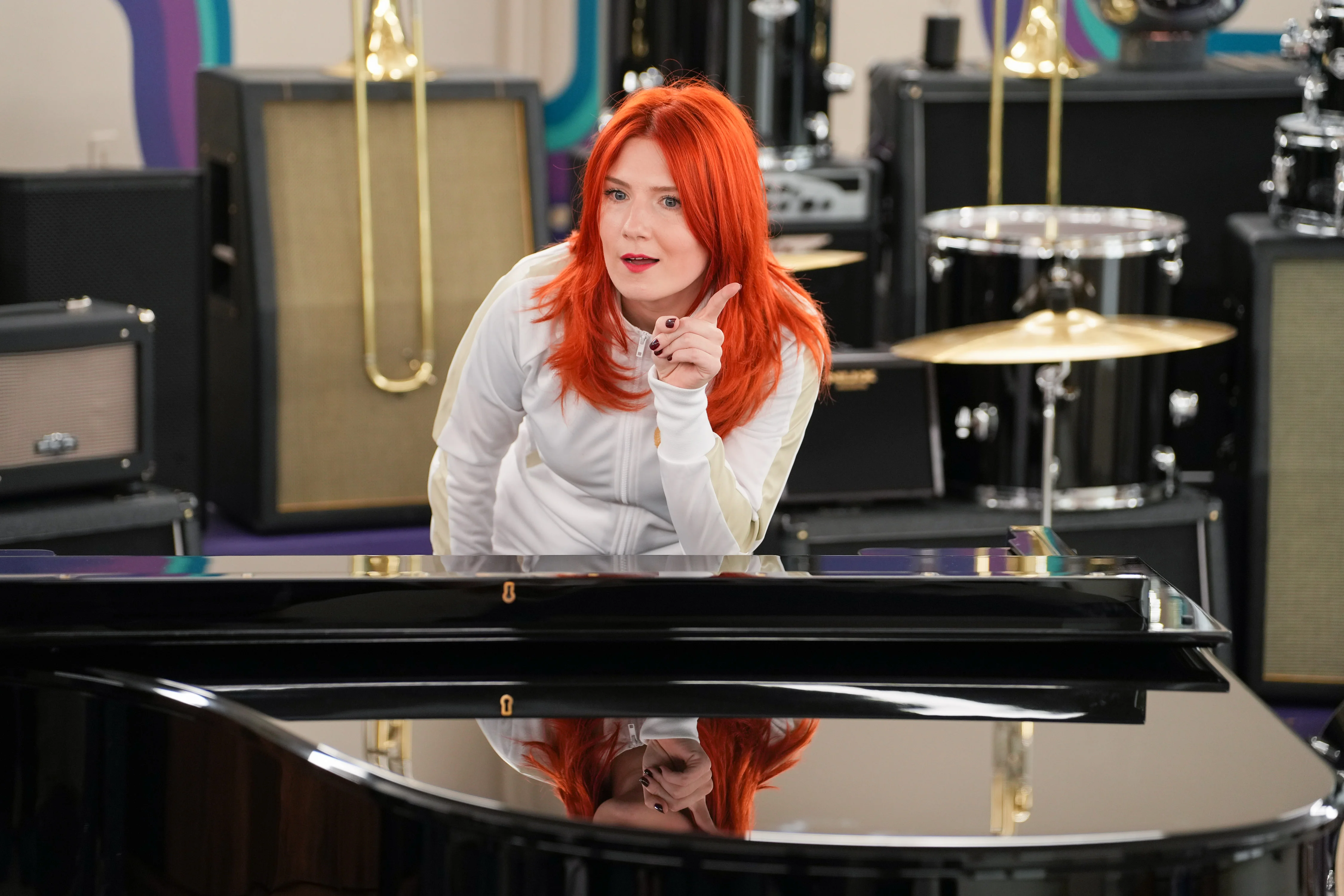
Adeline Toniutti was a shy child. She now helps those who want to leave that protection and sing in front of others.
Leaving shyness
« For me, making great stars sing and preparing artists to win castings is a great honour, but helping a person who decides to express what is intimate, the inside of himself, with his story through singing, and helping him over the threshold of leaving shyness to finally speak in front of others, is also a great honour and a great pleasure. »
Adeline Toniutti
singing teacher
Delphine had never taken a singing lesson. She met Adeline on Star Academy. If she was going to start, it would be with her.
« I never dared. But if I have to go for it, it is with her. »
Delphine
CALYP masterclass
« I know it will be a big challenge for me, because I will have to overcome my shyness. »
Delphine
CALYP masterclass
Thioro came from Switzerland for the same thing: a voice too intimate, fears to take off.
« The voice is very intimate and I develop at her side. I was able to unfold and take off all my fears, my worries, my limitations. »
Thioro
A voice that summons the intimate
Sophie, from Switzerland, living in Paris, went through the lessons and then the course.
« The masterclass is a way to improve very fast, in very little time, and to push your limits as far as they will go. »
Sophie
CALYP masterclass
The first seven steps
« I myself was shy as a child, I had no confidence, and in the end my shyness turned into stress with work. My foot trembled as I walked onto a stage for the first seven steps, when I sang Eurydice in Orphée aux enfers. My heel became more and more a lead foot, like a soldier leaving for a war, but a war of light, to give everything I had inside me and go beyond everything that lived in me: my fears, the love I had, all the treasures. That shyness was only a marker of the beauty I could have inside me and that I was afraid to give to the world. »
Adeline Toniutti
singing teacher
She sees that step also in those one thinks were born for the stage.
« Very great stars like Mylène Farmer call themselves shy. It is hard to believe when you see her sing in front of the whole Stade de France. Which shows that between shyness and walking on stage there is a path to take for the most beautiful of gifts: the encounter with the public, the encounter with oneself through the other. I like being the person who helps the artist invite us to hear what is inside him. Often shy people have a great deal to tell. »
Adeline Toniutti
singing teacher
They are wrong
« Some people take shyness for a weakness. They are wrong. Shy people know the world very well, mistrust it a little and are afraid to give themselves. But when they find enough confidence to pass that barrier and speak, their emotions have beautiful things to tell, and that makes them extremely strong and extremely luminous people. »
Adeline Toniutti
singing teacher
« Perhaps when one is shy, one sees how dangerous the world is. Sometimes shyness is a protection from the other, because the other has not always been reliable and kind. »
Adeline Toniutti
singing teacher
« I understand that in this society, this time when everything is criticised, filmed, heard, kept, one is even more afraid to expose oneself by singing. This search for freedom matters a great deal to me. I create a frame in my studio and with my teams so that each person can tell their story by singing in safety, and so that the passage toward me is a passage that strengthens self-confidence, to understand that this shyness was only a protection from a world far too agitated. »
Adeline Toniutti
singing teacher
We speak less of shyness than of introverted people. Whether one is intra or extra, she says, we have in us a certain excess, something to balance or to bring out.
« I also consider it my role to accompany children who suffer from shyness, or adults, to help them reveal themselves in safety and to make of what they think is a pip or a flaw, simply a nugget, or from time to time an excess. »
Adeline Toniutti
singing teacher
Nothing more intimate
There is nothing more intimate than vocal expression and therefore than speaking in public. The voice is somewhat the personification of our whole being. People come to her because they heard a cutting remark about their voice. Excess high notes, tremor, a lisp are worked through the gesture. It is hard to imagine the suffering someone can feel when their voice is not in their image. An assumed roughness, carried by the body, becomes a signature. The same roughness, once it becomes shameful, becomes a defect. Shame makes silence.
« Before being conceived, we have already been spoken by our ancestors, without their knowing. We have already been put in a place. »
Dr Jean Charmoille
psychiatrist and psychoanalyst
« Just like shyness, certain symptoms appear when one is afraid. Fear of the other, fear of exposing oneself. One can start to stutter, lose one's words, memory can leave. The voice can tremble. So many symptoms that say the being is afraid, is anxious. And as Doctor Charmoille says: anxiety feels like a monster behind a door, and when you open the door, you see there is no one. I believe there is no one, so it is for us to work at opening the door. »
Adeline Toniutti
singing teacher
« To our audacities. »
Dr Jean Charmoille
psychiatrist and psychoanalyst
Stage fright comes from you
« It comes only from you, stage fright. It is not the audience at all. It is from you to yourself. You tell yourself: I will not succeed, I will mess it up. And you think only of yourself. So you have to improve the relationship with yourself, in fact. »
Francis Huster
actor
We think the danger is outside. It is in that inner sentence. The credo, whether one addresses anyone in any situation: accept your stress so the state of grace can arrive.
Marie Zheng, who massaged so many artists before they stepped onto the floor under Chagall's ceiling at Garnier, told her: stress and stage fright are the antechamber of the state of grace. This nervous rise prepares the adrenal glands, the hormonal discharge that lets the stage exist. It is like a bow stretched before sending the arrow. Once the arrow is shot, you cannot catch it. The stage is like that; others call it letting go, but I find we let go in order to take hold elsewhere.
Open the hands
We often reveal through the gesture something that is blocked psychically and that we wish to hide. Her singers plant carrots while singing: control crisis, zero emotion. The unconscious will always find a way to show through the rest of the body. It is very hard to hide the truth of oneself from others. So, for someone too shy, I have them open their hands wide as if they wanted to embrace the public. The gesture precedes courage. The body sends the signal, the voice follows. It is the same work as for the stage entrance, under a coach's gaze, not alone in front of a mirror.
« By giving real points of support in the body, the pivot points of my method, real choreographies of movement inside the body, the ribs, the diaphragm, the obliques, the posture, all these organic points of support let the gesture change and reassure the psyche, so that it can trust the world around it and express itself. »
Adeline Toniutti
singing teacher
As if grace had touched me
Claudine Elbaz gave this exercise to Adeline before her first doll in Les Contes d'Hoffmann. Adeline then applied it to her singers in the grip of their inner waves.
Find a fairly quiet place. Close your eyes. Tell yourself: I go down to -1, and you pause to feel that floor. Then -2, the noise recedes. -3, you are inside, you feel heavy, and that is good. -4, it is cold and dark. -5, you keep walking. -6, you glimpse the light of a fire. -7, a small flat step. At -8: open your eyes and say the first sentence of what you are going to sing, or of what you are going to say. The last floor, the deepest floor, -8 like infinity, gives you a stable authentic voice far from the nervousness that seemed to operate. What operates is yourself.
In the room
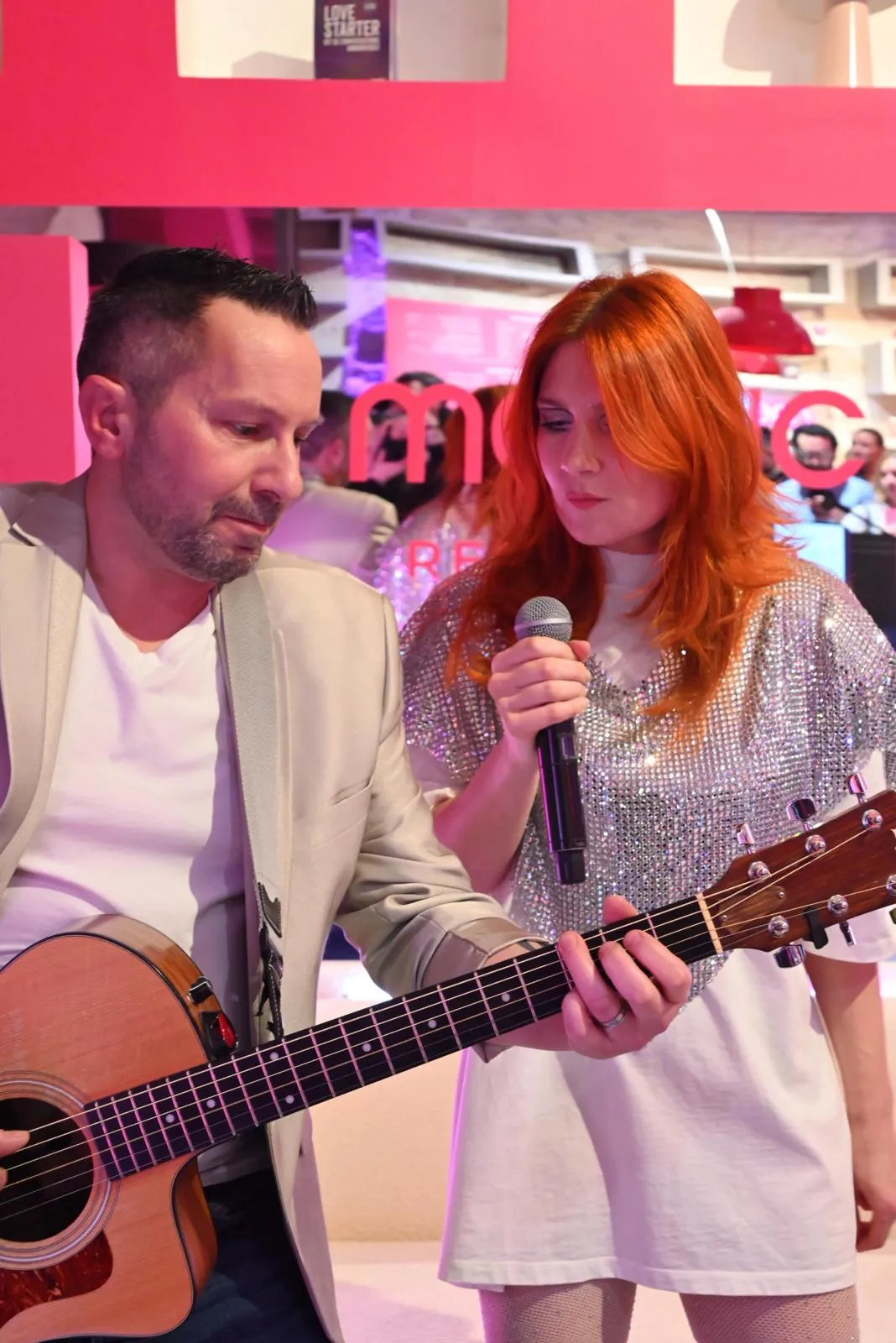
In front of Stéphane and his guitar, Delphine knows nothing: she is only just beginning to understand rhythm at the piano, and that is the first thing she tells him walking in. He says we go step by step. She had arrived without daring three notes. Today she sings a cappella with him and Adeline.
Samantha looks after horses. In front of the same guitarist she wonders who she is to have someone so talented facing her. The concert she waits for and that stresses her at once: she chooses her songs according to what she needs to release.
Thioro came for Adeline, professional and in the heart. After the guitar work she speaks of a space where one already arrives reassured.
Tania arrived from Spain after losing some of her voice while going on stage every day, very stressed. She is recovering her tessitura, flexibility. What a path travelled. We always need another, and that other takes us on the path we thought we could not walk.
We wake music, we eat music, we sleep music
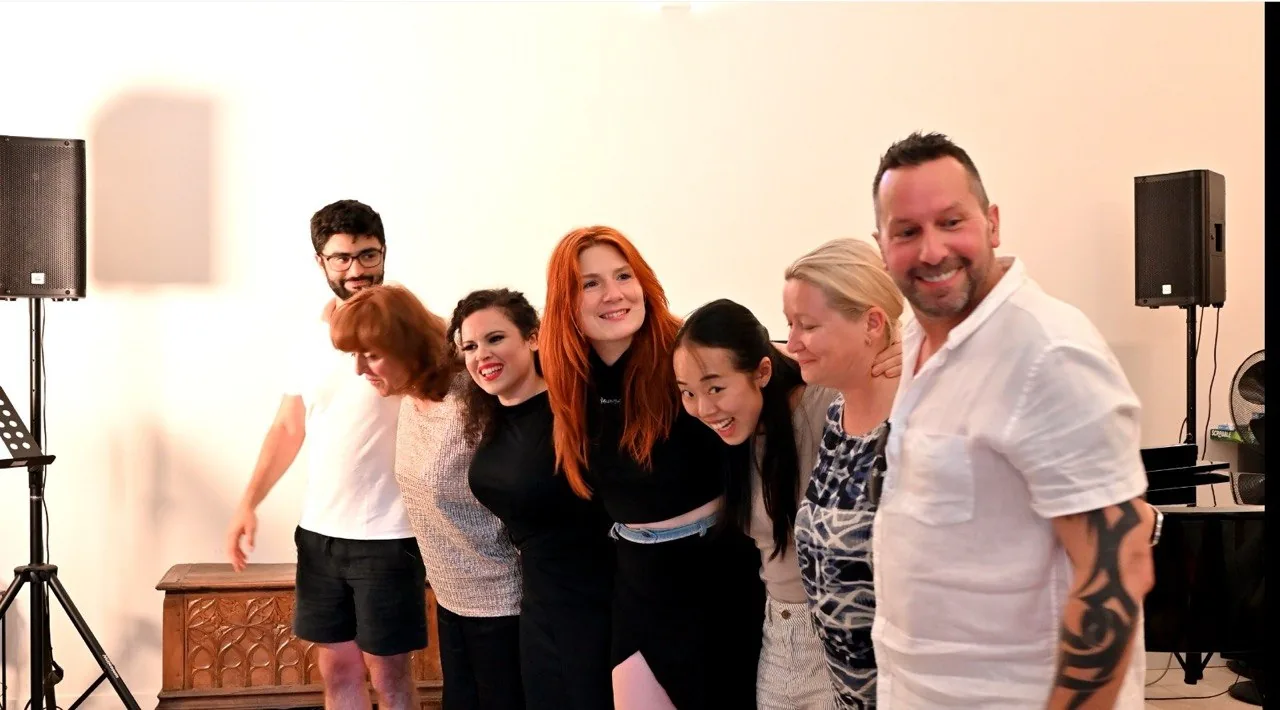
It is an immersion, for those who are starting and for those who make it their work. We wake music, we eat music, we sleep music. The teachers are extremely demanding. It is studious, and they work hard. There is the pool where you hear them shout, ping-pong, water fights, accents, imitations, and Estelle's hands preparing bodies supple enough for the performances. Liane Foly says of time and repetition: it becomes more fluid and familiar. Here that time compresses into a few days.
For those who come for pleasure, it is also a conquest of the self. You meet human beings above all. And if you think you are not an artist, here you become one a little. It has to sound, and with the heart.
Her teams
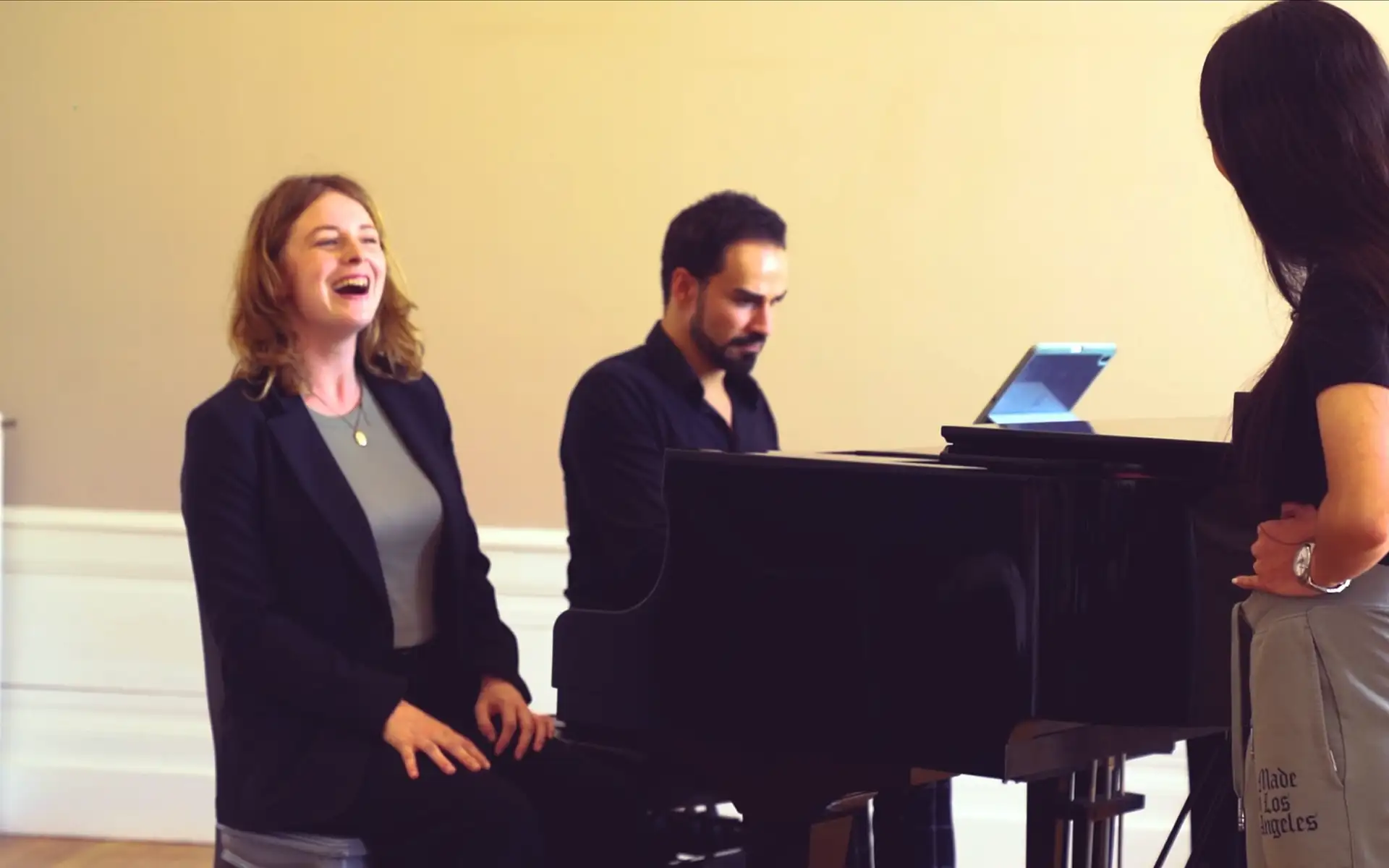
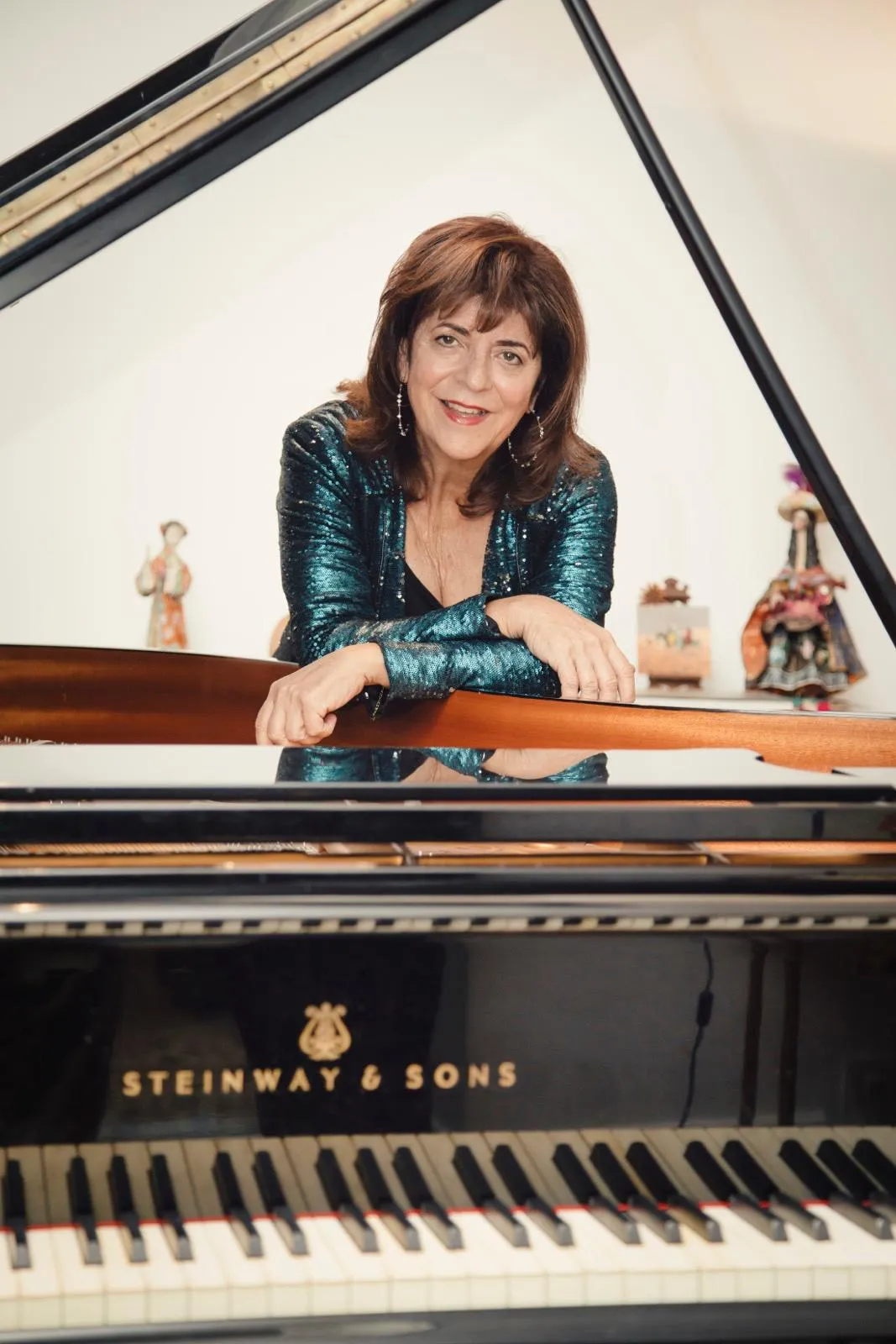
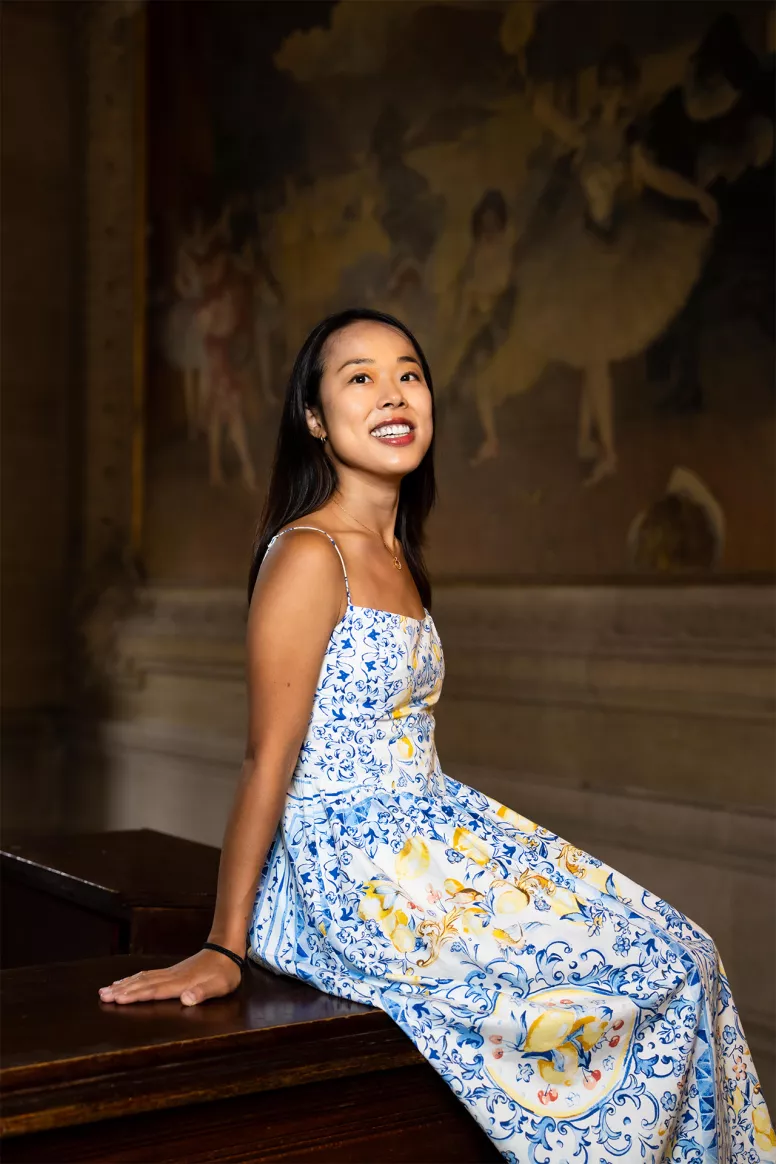
Adeline chooses these people for the level, and for the manner. Marie-France, her coach for La Traviata, at Bastille. Ayano at the Opéra Comique piano. Stéphane on tour. Estelle, whom she has known since she was fifteen, who prepares the bodies.


Close your eyes. Camera. Action.
Shyness is repeated, like a score, until it is you who sweat in the voice, not the stress. CALYP masterclasses are made for that.
Frequently asked questions
I am too shy for a singing lesson. Does that make sense?
Yes. Adeline says: helping someone leave shyness to express themselves in front of others is a great honour, as much as preparing a star. You start with the gesture and repetition, in a frame where telling your story by singing is possible.
Do you fight stage fright?
You accept it so the state of grace can arrive. Francis Huster: stage fright comes from you to yourself. Adeline, a shy child, had a trembling foot during Eurydice's first seven steps. Charmoille: anxiety looks like a monster behind a door, and when you open it, there is no one.
Why a masterclass rather than staying alone?
Because shyness is often a protection, from a world too agitated or from another who has not always been reliable. Liane Foly: with time and repetition it becomes familiar. The masterclass compresses that time. You repeat in the same room as other voices.