Language Disorders
VOICE CLINIC
CALYP and Adeline Toniutti offer an approach to help resolve language disorders, in connection with her singing method written with doctors. Here are the insights of Dr Gilles ZAH-BI, neurosurgeon, on language disorders in children.
LANGUAGE DEVELOPMENT
At what age does a child develop language?
First words appear around 12 months, followed by a "lexical explosion" around 18–24 months. Between 3 and 5 years, sentences become more complex and grammar takes shape.
By age 5–6, most sounds are acquired and the child can clearly structure their ideas. This is the key age for entering reading and writing.
DIAGNOSIS
Delay or language disorder?
Language delay
A delay is a temporal gap but follows normal development. The child progresses with stimulation and catches up with peers.
Language disorder
A disorder is atypical and persists despite stimulation. It requires specialised care.
MAIN CAUSES
Neurological, genetic, auditory, or neurodevelopmental causes. A stimulation-poor environment can also play a role.
HEARING AND DISEASES
Can diseases delay language?
Yes, repeated ear infections, deafness, or neurological diseases can disrupt acquisition. Any prolonged hearing loss directly impacts language.
SCREENS AND LANGUAGE
Screen overexposure
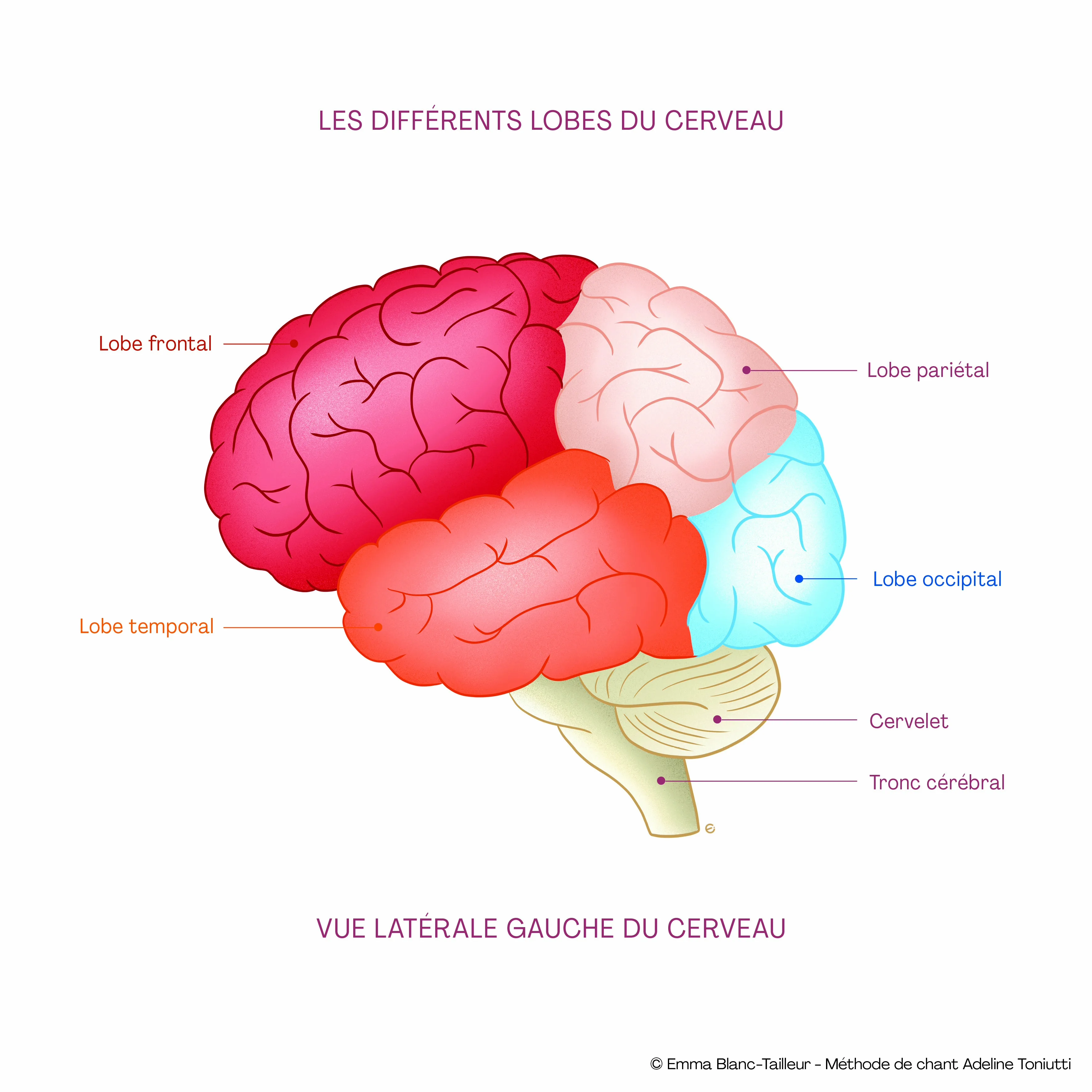
Overexposure reduces human interactions, which are essential for language development. It decreases stimulation of the frontal and temporal areas involved in communication.
BILINGUALISM
Does bilingualism delay language?
Well-supported bilingualism does not delay language. Confusion arises mainly when exposure is unstable or qualitatively poor.
SPECIFIC DISORDERS
The different language disorders
Articulatory difficulty
The brain plays a central role via motor areas (motor cortex, Broca's area). Fine tongue-lip coordination depends on precise neurological circuits.
Dysphasia
A neurodevelopmental disorder mainly involving the left temporal and frontal regions. It is not related to an intellectual or sensory deficit.
Communication delay and ASD
In ASD, the brain's social networks (prefrontal cortex, amygdala, temporoparietal junction) function differently. This impacts communication and social understanding.
Cognitive-origin disorder
Related to a global intellectual or neurological deficit. Language is affected because it depends on general cognitive abilities.
Environmental-origin disorder
A lack of stimulation reduces the brain plasticity of language areas. Fortunately, appropriate stimulation can significantly improve the situation.
ADHD
An attention disorder with impulsivity linked to the prefrontal cortex. It can disrupt communication as the child interrupts or poorly organises their ideas.
Dyslexia
A specific reading disorder linked to left temporoparietal circuits. Intelligence is normal, but decoding written sounds is difficult.
SINGING AND THE BRAIN
Can singing help rehabilitate language?
It is highly relevant as a complement to speech therapy. Singing stimulates rhythm, breathing, articulation, and auditory memory.
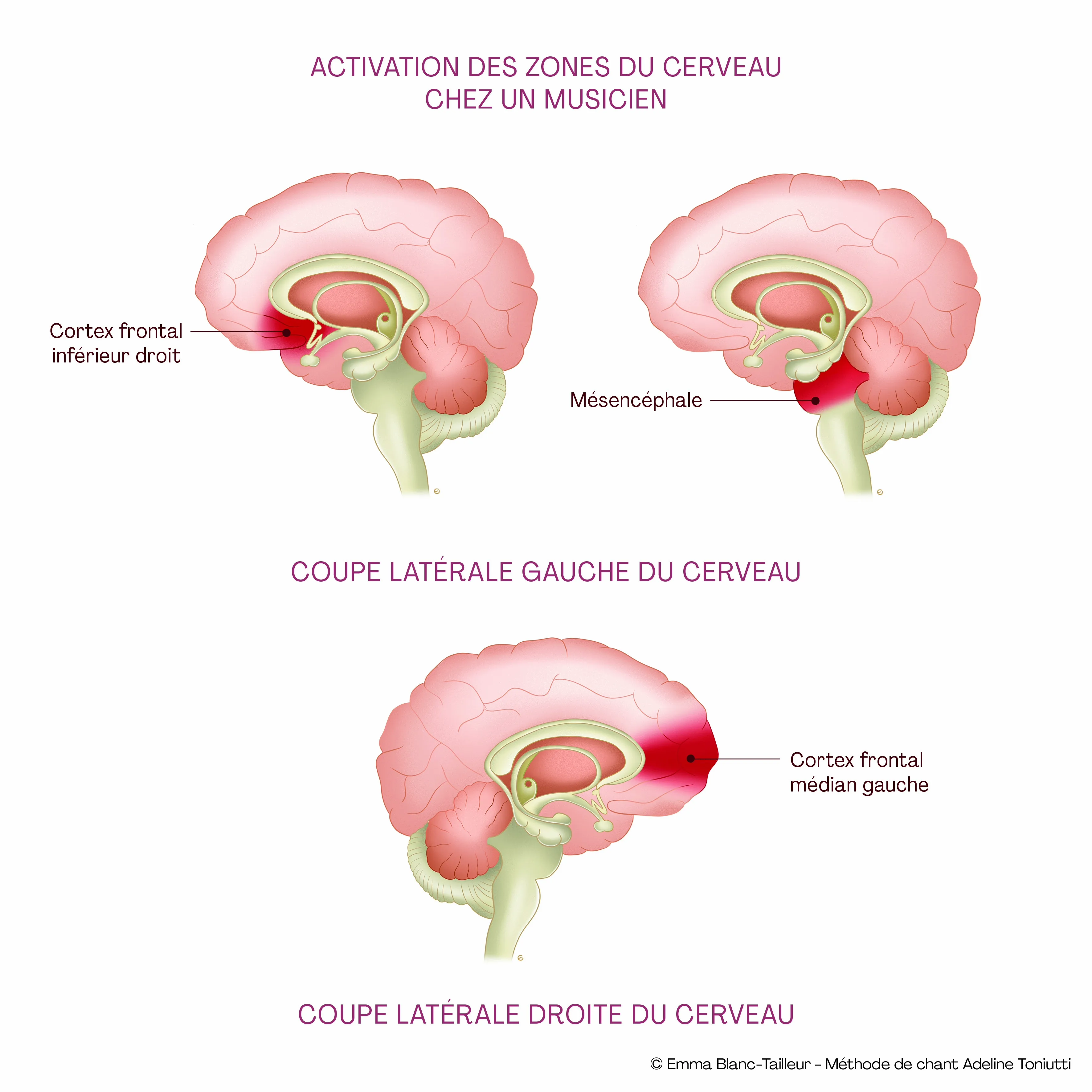
Singing broadly activates both hemispheres, particularly the right musical areas. Speech mainly engages the left hemisphere; switching between the two creates a functional bridge.
Thanks to brain plasticity and emotional engagement, singing facilitates memory encoding and verbal fluency.
AREAS ENGAGED
Broca's area, motor cortex, auditory cortex, cerebellum, and basal ganglia. Music engages a broader brain network than speech alone. Musical training strengthens connections between auditory and motor areas, improving speech-breathing-articulation synchronisation.
RHYTHM AND LANGUAGE
Musical rhythm in service of speech
Musical rhythm trains the frontostriatal circuits and the cerebellum, which are involved in speech cadence. Scientifically, improvements in prosody and syllabic segmentation are observed.
This is referred to as functional reorganisation through neuronal plasticity: rhythm and melody facilitate access to language circuits.
SUPPORT
Supporting your child
CALYP supports children with language disorders through a unique approach combining vocal coaching and neuroscience.
THE ADELINE TONIUTTI METHOD
The 5 Pivot Points
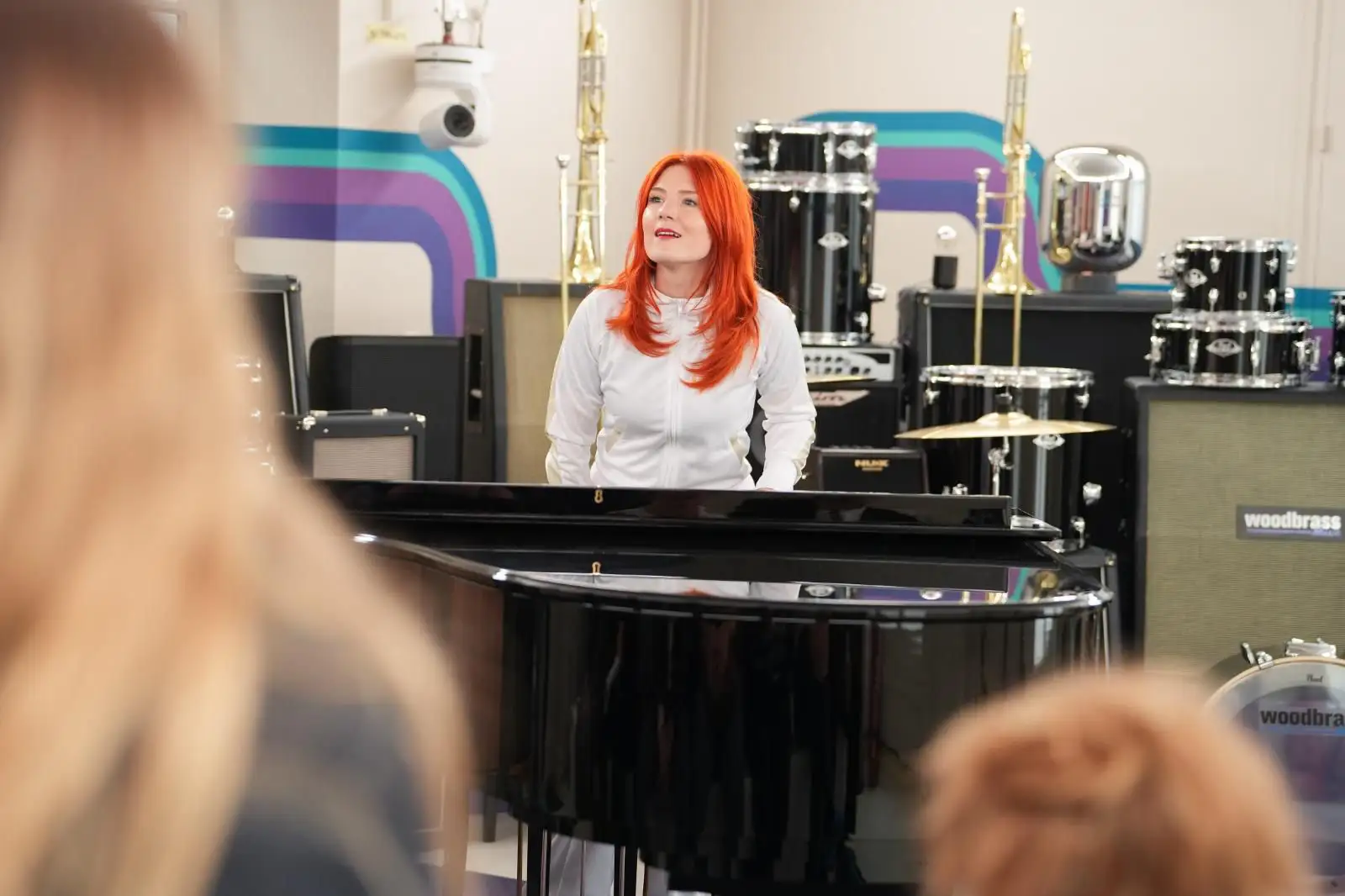
The Adeline Toniutti method and the 5 pivot points apply a synchronisation of vocal work with brain work. Singing can help improve language disorders.
Drawing on extensive experience over many years, Adeline Toniutti has developed a method that helps children who have language problems.
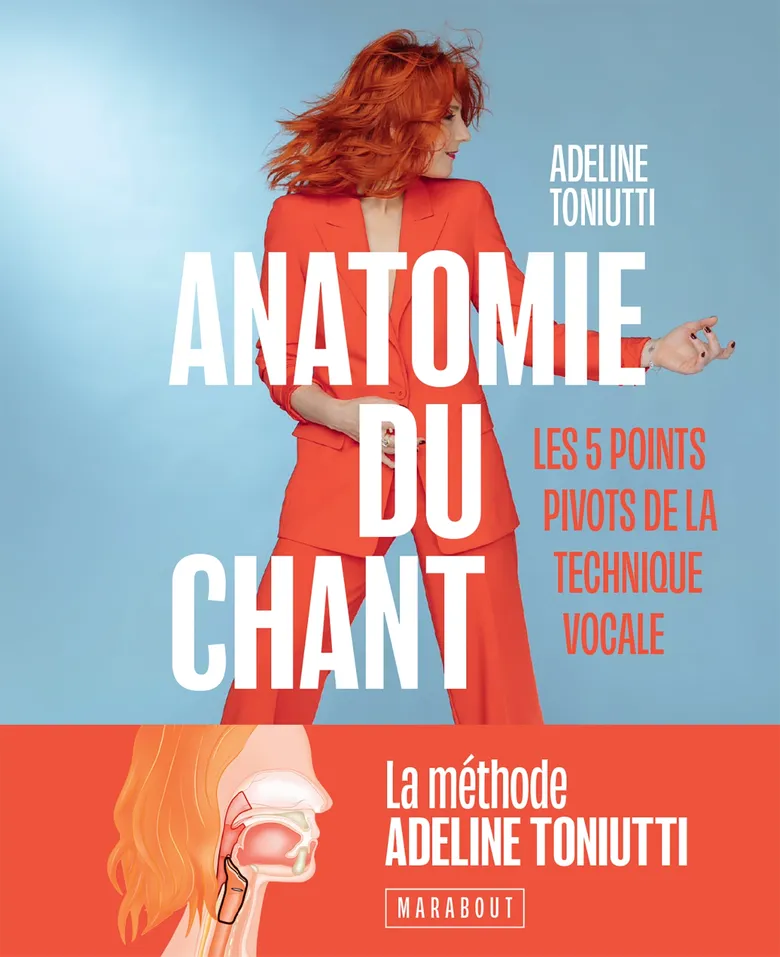
Adeline Toniutti's method is based on anatomical and physiological data and was created in collaboration with 26 doctors and specialists of the body and voice (ENT surgeons, phoniatricians, speech therapists, physiotherapists, etc.) brought together in an exceptional way to help everyone understand the workings of the voice.
This method is published in a book, Anatomie du Chant, which will be a landmark in the understanding of vocal technique. Intended for the most novice as well as the most experienced, it covers all singing styles: pop, rap, opera, variety...
It is based on 5 essential pivot points, the vital and indispensable checklist for every singer:
- Perfect your posture
- Trigger the correct laryngeal movement
- Optimise exhalation
- Make the sound resonate
- Articulate vowels and consonants
The 5 pivot points form an anatomical and physiological recipe and provide the bodily landmarks necessary for singing. The challenge: to feel the mechanisms in action in your own body that are specific to vocal technique. These pivot points free the singer from their constraints in order to meet the demands of various repertoires, from contemporary music to opera.
SCIENTIFIC CONTRIBUTOR
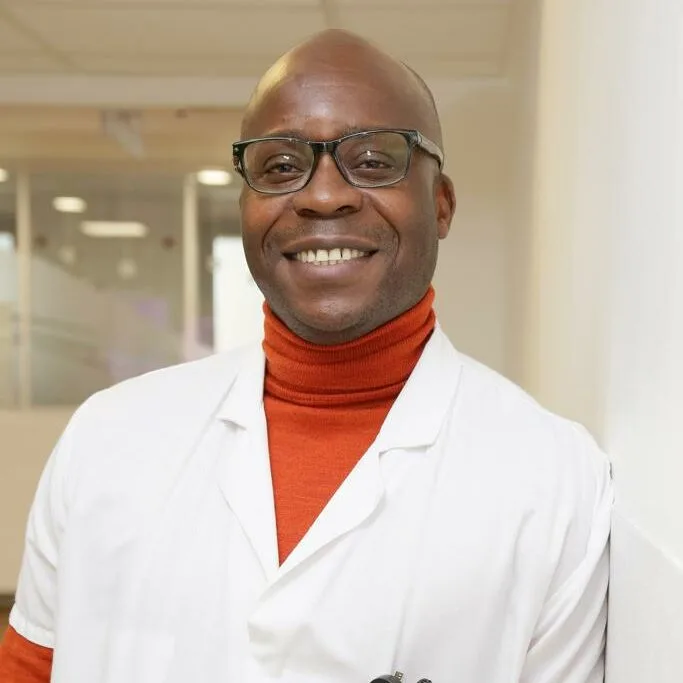
Dr Gilles ZAH-BI
Neurosurgeon — MD, MSc Neuroscience
- Practitioner at Hôpital Foch, Suresnes
- Office: 22 bis rue Georges Bizet, Paris 16th
- Member of the French Society of Spinal Surgery (SFCR)
- Member of the French Society of Neurosurgery (SFNC)
- MSc in Neuroscience (Université Paris Descartes)
- Scientific contributor at CALYP
BOOK AN APPOINTMENT
Does your child have language difficulties?
CALYP offers personalised support combining vocal coaching and medical expertise to help children overcome language disorders.