

Vocal Rehabilitation
VOICE CLINIC
CALYP's unique accompaniment protocol for vocal rehabilitation, combining medical expertise, vocal coaching, and psychological support for complete recovery.
A World-First Approach to Vocal Recovery
Vocal rehabilitation at CALYP is not simply about restoring a voice -- it is about rebuilding the complete vocal identity of the individual. Our protocol is unique in the world because it integrates every dimension of vocal health: medical, technical, physical, and psychological.
Whether you are a professional singer recovering from surgery, a teacher dealing with chronic vocal fatigue, or a public speaker who has developed a voice disorder, CALYP's accompaniment protocol provides a structured path back to optimal vocal function.
THE PROTOCOL
CALYP's Accompaniment Protocol
A structured, phased approach to complete vocal rehabilitation.
Medical Assessment
The process begins with a thorough examination by our ENT specialists. Using videolaryngoscopy and videostroboscopy, the medical team identifies the exact nature of the vocal pathology and determines whether surgical intervention is necessary.
Pre-operative Vocal Preparation
When surgery is indicated, CALYP's approach includes pre-operative vocal rehabilitation. This critical step prepares the patient for corrected vocal technique before surgery, ensuring the harmful vocal habits that caused the pathology are addressed from the outset.
This phase is prescribed by our surgeons and distinguishes CALYP's protocol from standard approaches.
Surgical Intervention (When Necessary)
Our surgeons perform precise microsurgical procedures using state-of-the-art techniques. Not all conditions require surgery -- many can be resolved through rehabilitation alone. The team always prioritizes the least invasive approach.
Post-operative Recovery & Silence Period
Following surgery, a carefully managed silence period allows the vocal cords to heal. The duration depends on the procedure and is closely monitored by the medical team. This phase is critical and requires strict adherence to rest protocols.
Spoken Voice Rehabilitation
Speech therapy addresses the spoken voice, rebuilding healthy phonation patterns for daily communication. This phase corrects fundamental habits that may have contributed to the original pathology.
Singing Voice Rehabilitation
For singers, spoken voice rehabilitation alone is insufficient. The Adeline Toniutti method provides the specialized vocal coaching needed to rebuild singing technique with proper mechanics, using the five pivot points as the foundation for safe, powerful vocal production.
Psychological Support
Post-operative psychological trauma can prevent singers from returning to performance with confidence. Dr. Jean Charmoille provides specialized support addressing performance anxiety, vocal identity, and the psychological dimensions of recovery.
Physical Rehabilitation
Osteopathic care addresses the postural and muscular tensions that often accompany vocal pathologies. Jean-Marie Lege and Maryse Beaupied work on the physical framework that supports vocal production, ensuring the body is optimally aligned for healthy phonation.
DUAL APPROACH
From Spoken to Singing Voice
A combined approach for complete vocal recovery
One of the key insights behind CALYP's protocol is that spoken voice rehabilitation and singing voice rehabilitation are two distinct disciplines that must work in concert.
Speech therapists are experts in spoken voice mechanics, but singing technique problems require specialized coaching from a vocal pedagogue who understands the unique demands of the singing voice.
The recommended approach combines both: a speech therapist for daily voice use, and a vocal coach trained in the Adeline Toniutti method for singing technique correction. This dual approach ensures that the rehabilitated voice is equipped for both speaking and performing.
WHO CAN BENEFIT
Vocal Rehabilitation Is For
Our protocol helps a wide range of vocal issues and professional needs.
Post-Surgical Recovery
Singers and speakers recovering from vocal cord surgery (nodule removal, polyp excision, cyst surgery).
Chronic Dysphonia
Individuals experiencing persistent voice disorders that have not responded to rest alone.
Professional Singers
Vocalists who have developed technical problems leading to vocal fatigue, loss of range, or inconsistent tone.
Teachers & Lecturers
Professional voice users suffering from occupational voice disorders due to heavy vocal demands.
Performers & Actors
Stage and screen professionals who need to maintain peak vocal health across demanding performance schedules.
Public Speakers
Executives, lawyers, and other professionals who rely on their voice for effective communication.
THE TEAM
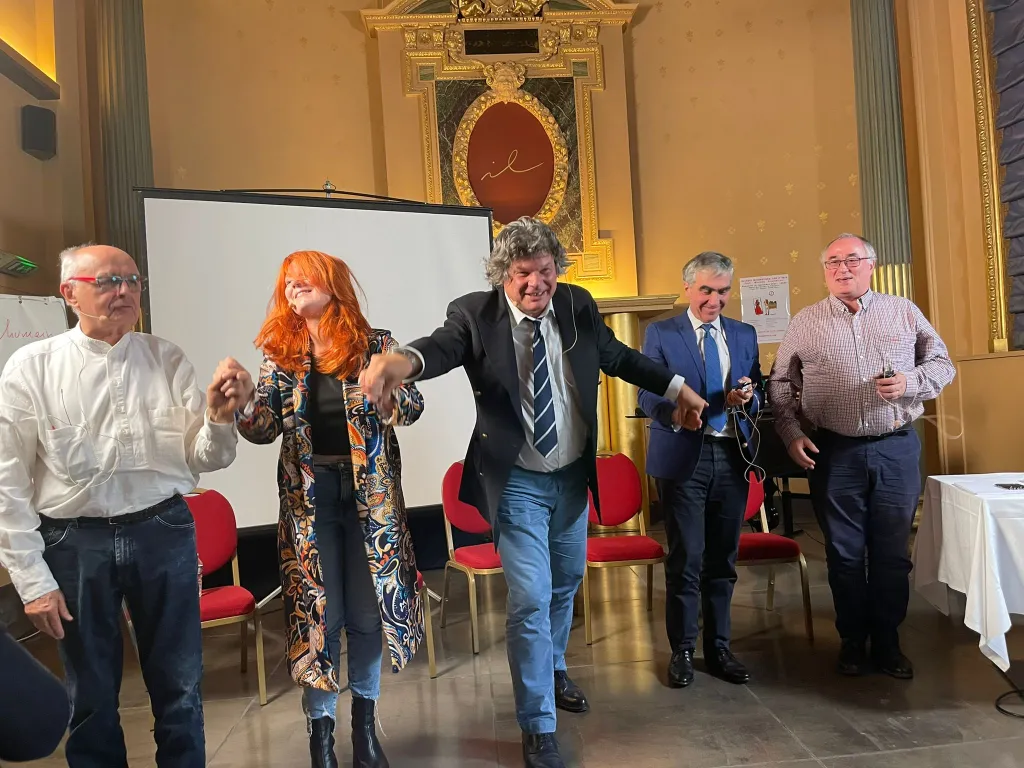
A Multidisciplinary Team
Every specialist brings their expertise to create a complete rehabilitation experience.
Adeline Toniutti
Vocal Coach & Director
Expert in phonatory physiology and the five pivot points method. Coordinates the entire rehabilitation team.
Dr. Romain Perouse
ENT Surgeon
Specialist in vocal cord microsurgery at Clinique des Portes du Sud.
Dr. Bruno Coulombeau
Phoniatrist
Voice disorder specialist combining medical expertise with singing knowledge.
Dr. Jean Charmoille
Psychiatrist
Addresses the psychological dimensions of vocal pathology and performance anxiety.
Jean-Marie Lege
Osteopath
Treats postural and muscular issues affecting vocal production in professional performers.
Maryse Beaupied
Osteopath/Etiopath
Specialized in the physical framework supporting optimal voice production.
KEY PRINCIPLES
Guiding Principles of Our Protocol
Prevention First
Regular vocal check-ups with specialists are the foundation of vocal health. Prevention is always preferable to cure.
Address Root Causes
Rehabilitation must correct the vocal habits that caused the pathology. Without addressing root causes, recurrence is likely.
Holistic Recovery
The voice is not isolated from the body and mind. Physical alignment, psychological wellbeing, and technical mastery must all be addressed.
Careers Are Not Over
Nodules and polyps are treatable. With proper rehabilitation, singers and voice professionals can return to full vocal capacity.
No One Should Be Left Alone
"We have observed that very often the singer finds themselves abandoned by their entourage at the time of diagnosis." CALYP ensures continuous support throughout the rehabilitation journey.
GET HELP
Start Your Vocal Recovery
If you are experiencing vocal difficulties, do not wait. Contact CALYP for an initial assessment with our specialist team.
Contact CALYPEXPLORE MORE