
Vocal Nodules
VOICE CLINIC
Understanding vocal cord nodules: causes, prevention, surgical and non-surgical treatment, and rehabilitation with CALYP's expert multidisciplinary team.
DEFINITION
What Are Vocal Nodules?
Vocal nodules, sometimes called "singer's nodes," are small, benign growths that develop on the vocal cords. They typically appear bilaterally -- on both vocal cords -- at the point of maximum vibration, the junction of the anterior and middle thirds of the vocal folds.
These callous-like formations are the result of repeated mechanical trauma to the vocal cord tissue. They are among the most common vocal pathologies encountered in professional singers, teachers, and anyone who uses their voice extensively.
While the diagnosis can be alarming, vocal nodules do not end careers. They are treatable through vocal rehabilitation and, when necessary, microsurgery.
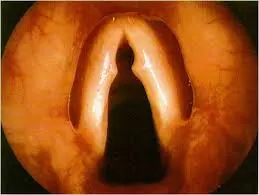
Nodules on the vocal cords
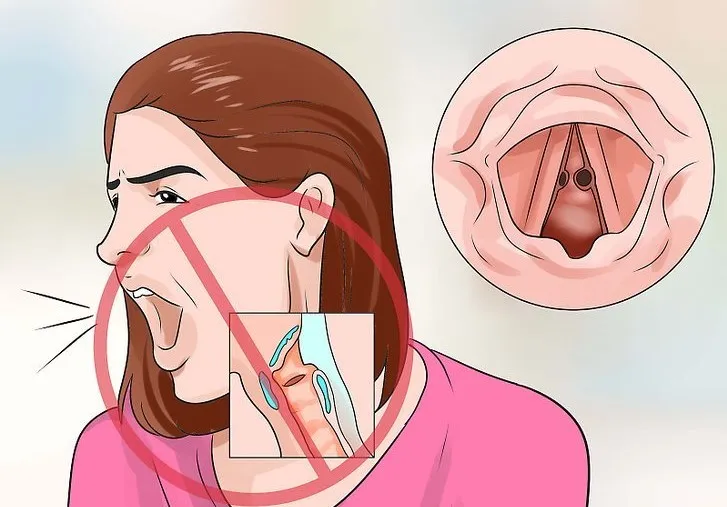
Detailed nodule view
Nodule progression
CAUSES
What Causes Vocal Nodules?
Nodules are primarily caused by vocal misuse and overuse.
Vocal Overuse
Prolonged speaking or singing without adequate rest, common among teachers, singers, and public speakers.
Incorrect Vocal Technique
Singing or speaking with excessive muscular tension, improper breath support, or forced phonation.
Environmental Factors
Speaking over background noise, performing in dry or dusty environments, or chronic throat clearing.
Dehydration & Reflux
Insufficient hydration and gastroesophageal reflux can irritate vocal cord tissue, making it more vulnerable.
Hormonal Changes
Hormonal fluctuations can affect vocal cord tissue, which is why nodules are more common in women aged 20-50.
Allergies & Infections
Chronic upper respiratory conditions and allergies create inflammation that compounds mechanical stress.

SYMPTOMS
Recognizing Vocal Nodules
Early detection is crucial for effective treatment.
The symptoms of vocal nodules develop gradually and can be easy to dismiss initially:
- Hoarseness: A breathy, rough, or scratchy voice quality
- Reduced vocal range: Loss of high notes or difficulty with register transitions
- Vocal fatigue: The voice tires more quickly than usual
- Decreased volume: Difficulty projecting the voice
- Pain or tension: Discomfort in the throat or neck during voice use
- Pitch instability: Voice breaks or cracks unexpectedly
- No recovery after rest: Symptoms persist even after periods of vocal rest
If you experience these symptoms for more than two weeks, seek evaluation from an ENT specialist or phoniatrist.
DIAGNOSIS
How Are Nodules Diagnosed?
Diagnosis is performed by an ENT specialist or phoniatrist using videolaryngoscopy or videostroboscopy, which allows direct visualization of the vocal cords and their vibratory pattern.
The examination reveals the bilateral, symmetrical nature of nodules and helps distinguish them from other lesions such as polyps, cysts, or edema. A thorough vocal assessment, including acoustic analysis, completes the diagnostic picture.
At CALYP, recommended specialists include Dr. Romain Perouse and Dr. Bruno Coulombeau, who prescribe pre-operative vocal rehabilitation to prepare patients for corrected vocal technique.
TREATMENT
Treatment Options
The approach depends on the size, duration, and severity of the nodules.
Conservative Treatment
In many cases, nodules can be resolved without surgery through:
- Vocal rehabilitation with a speech therapist
- Vocal technique correction with a specialized coach
- Vocal hygiene education (hydration, rest, environment)
- Treatment of contributing factors (reflux, allergies)
Surgical Treatment
When conservative measures are insufficient:
- Microlaryngoscopy with precise nodule excision
- Pre-operative vocal rehabilitation (essential preparation)
- Post-operative silence period (typically 1-2 weeks)
- Post-operative vocal rehabilitation (critical for preventing recurrence)
THE CALYP APPROACH
Integrated Vocal Rehabilitation
A unique multidisciplinary protocol
At CALYP, vocal nodule treatment follows a comprehensive protocol that integrates medical expertise with vocal coaching:
Speech therapists address spoken voice rehabilitation, while vocal coaches trained in the Adeline Toniutti method correct the singing technique issues that caused the pathology.
The post-operative phase is critical: it is essential to avoid the forced vocal gestures that led to nodule formation. Psychological support is also available, as post-operative trauma can prevent singers from returning to performance with confidence.
PREVENTION
Preventing Vocal Nodules
The best treatment is prevention through proper vocal hygiene and technique.
Proper Technique
Learn correct vocal technique with a qualified coach. The Adeline Toniutti method provides the bodily reference points necessary for safe voice production.
Adequate Hydration
Drink plenty of water throughout the day. Well-hydrated vocal cords vibrate more freely and sustain less mechanical damage.
Vocal Rest
Schedule regular periods of vocal rest, especially after intensive use. Avoid whispering, which can strain the cords more than normal speech.
Warm-Up Routines
Always warm up before singing or extended speaking. Cool down after intensive vocal use.
Environmental Awareness
Avoid speaking over loud noise. Use amplification when addressing large groups. Humidify dry environments.
Regular Check-ups
Professional voice users should schedule regular evaluations with an ENT specialist or phoniatrist.